Beyond the Rows: Reclaiming the Student's Will in Education
If you've ever felt the rigidity of traditional schooling, this look at the American system's origins might resonate. Let's talk about what truly nurtures the whole child.

There’s a certain rhythm to the hallways of many large schools—the bell rings, the desks are in neat, unwavering rows, and the instruction flows top-down. It can feel… predictable. Sometimes, when we talk about curriculum or educational models, we focus so much on the *what* (the math curriculum, the literature curriculum) that we forget to talk about the *why* and the *how* of learning itself.
As parents navigating the beautiful, messy, and deeply personal journey of homeschooling, or even those just curious about alternatives, we often find ourselves questioning the foundations of what we’re being shown. What is the ultimate goal of education? Is it compliance, or is it cultivation?
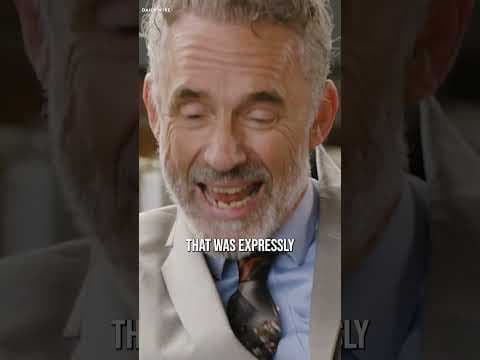
A recent look into the history of the American education system offered a sobering perspective. The speaker traced the lineage of the current model, pointing toward origins rooted in systems designed not for robust thinking, but for producing compliant workers or soldiers. The critique suggests that the very structure—the rows, the bells, the top-down delivery—is engineered to minimize the student's independent will.
Rethinking the Structure: Will vs. Obedience
For those of us who are drawn to approaches like Charlotte Mason, or who are deeply invested in the principles of unschooling, this critique hits a nerve. Our goal in creating a faith-based homeschool environment isn't just to pass exams; it’s to raise thoughtful, resilient, and sovereign individuals capable of critical thought and deep conviction. We want our children to *think*, not just to *repeat*.
This isn't meant to be a moment of despair, but a moment of clarity. Understanding the historical *intent* behind a system allows us to be more intentional and more powerful in building our own educational frameworks. If the established model aims for obedience, what does a curriculum built on curiosity, deep reading, and family discussion look like?
Building a Better Framework: Sovereignty in Learning
This is where the beauty of the homeschool life, and the collaborative spirit of a homeschool co-op, shines. We get to be the architects of our children's education. Whether you are following a classical education path, blending elements of Montessori, or leaning into the freedom of unschooling, the underlying principle remains the same: nurturing the whole person—mind, body, and spirit.
When we build our own department structure, when we plan a field trip that immerses us in history rather than just reading about it, or when we dedicate time to read aloud passages that challenge our assumptions, we are actively practicing intellectual sovereignty. We are teaching our kids that their inner voice matters more than the bell schedule.
It’s a powerful reminder that our commitment to a faith-based education isn't just about content; it's about guarding the *spirit* of inquiry. It's about fostering a love for learning that comes from the heart, not from the fear of disappointing a faculty member or failing a standardized test.
If this discussion has sparked ideas for how you might structure your own micro-school, or if you’re looking for curriculum ideas that prioritize critical thinking alongside solid language arts and math skills, we have resources ready for you. We are a community built on shared vision, not shared compliance.
Curious about how to apply these principles to your own homeschool curriculum?
Ready to take the next step in building your educational vision? Check out our resources! You can find a mentor who has walked this path before you, or perhaps you're ready to plan a local field trip to see these concepts in action. If you're feeling inspired to build your own educational corner, consider claiming a Faculty profile with us today!
Frequently Asked Questions
Loading comments...
Related Posts
Beyond the Numbers: Finding Order in Division and Life

Beyond the Stereotype: The Beautiful Reality of Modern Homeschooling


Finding Your Village: When Schooling Looks Different Than You Expected
