Beyond the Scrub Brush: Aquaponics as the Ultimate Algae Solution
Tired of the endless algae battle? You know that feeling – the water change quit-trigger hits hard when your tank looks more like a swamp than a vibrant ecosystem. But what if there was a better way?

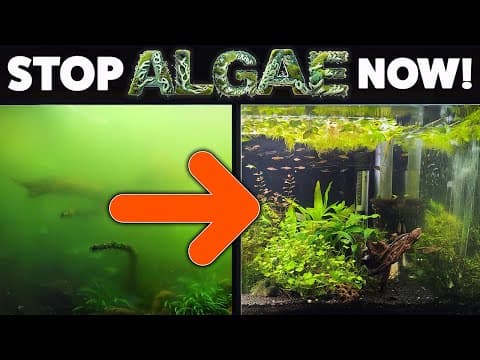
Let’s be honest, fellow Rogue Aquarists. We've all been there. You pour hours into creating a beautiful fish tank, meticulously aquascaping, carefully selecting your livestock... only to find it slowly morphing into a green, cloudy mess. The dreaded algae bloom. That moment when you’re staring down the barrel of another tedious glass-scraping session – you know it, I know it, everybody knows it. It’s the water-change quit-trigger, plain and simple.
But what if I told you there was a way to break free from that cycle? A way to reclaim your time and enjoy your aquarium without constant battles against stubborn algae?
The FishTank Mastery video (linked below) walks through 5 common algae eaters, and they’re definitely a step in the right direction. Bristlenose Plecos, Amano Shrimp, Nerite Snails, Otocinclus catfish, and Siamese Algae Eaters – each has its place in a well-balanced tank. The shrimp in particular – keeping them in groups is smart advice; they’re much more effective and feel safer that way. And the Nerite snails? No surprise baby snails ever – that's a huge win!
However, relying solely on livestock to control algae feels... reactive, doesn’t it? It’s like mopping up a flood instead of plugging the leak. That’s where aquaponics comes in. Think about it: aquaponics isn't just about growing food; it’s about creating a *closed-loop ecosystem* where waste becomes a resource. The same principles apply to our aquariums. We can significantly reduce algae by optimizing our systems—better filtration, more robust plant growth, and a deeper understanding of the nutrient cycle.
Consider how a Walstad tank, with its focus on nutrient cycling through a deep substrate and heavy planting, naturally minimizes algae. Or how a well-managed reef tank, with its intricate filtration and careful nutrient control, can maintain crystal-clear water with minimal manual intervention. We can apply those same principles to freshwater tanks, too.
The video mentions setting a timer for 6-8 hours of light a day – that’s solid advice. But it's just one piece of the puzzle. We need to be thinking about the *source* of the nutrients fueling that algae growth. Are you overfeeding? Is your biofilter struggling? Is your water chemistry off?
For those of us dedicated to breeding, whether it’s Fancy Guppies (and striving for that perfect tail type, just like the folks at IFGA), or meticulously caring for Discus, the principles of ecosystem balance are even more crucial. A healthy, stable environment is the foundation of successful breeding and show-quality fish. It's about stewardship, truly.
And for those who’ve been eyeing a 55-Gallon Tank Topper – imagine the possibilities! You could integrate a small aquaponics system, using the fish waste to fertilize plants that naturally absorb nitrates. It's a game-changer.
The ultimate goal isn't just a clean tank; it's a thriving ecosystem. One that requires less intervention and more observation. One that reflects our commitment to responsible fishkeeping – a Holy Rogue approach, if you will.
So, ditch the endless scrubbing and embrace the power of a balanced ecosystem. What are your thoughts? What's your approach to algae control? Share your experiences in the comments below!
Next Steps:
- Check out the 55-Gallon Tank Topper for your aquaponics dreams.
- Look for a local Holy Rogue Network classroom-aquaponics chapter to connect with fellow enthusiasts.
- Consider attending a fish show – it’s a great way to learn from the pros and appreciate the dedication that goes into breeding show-quality fish.
Frequently Asked Questions
Loading comments...
Related Posts
Beyond the Water Change: Aquaponics as Your Algae Cure

The Algae Bloom & the Aquaponics Cure: Reimagining Your Fish Wall

The Algae Attack Cure: Aquaponics to the Rescue