Chasing Iridescence: Painting Butterfly Wings with Watercolor
Ever been captivated by the shimmering beauty of a butterfly’s wings? Julia Bausenhardt unlocks the secret to capturing that iridescent magic with watercolors, showing us how a little planning and technique can transform a simple sketch into a vibrant work of art.

There's a quiet joy in observing the natural world, isn't there? That moment when you notice the intricate patterns on a leaf, or the way sunlight dances through a forest canopy. And few things are quite as mesmerizing as the iridescent shimmer of a butterfly’s wings. It’s a challenge to capture that fleeting beauty, but it’s also an incredibly rewarding one.
Julia Bausenhardt, a true Art Angel in the watercolor world, recently shared a delightful tutorial on sketching and painting a green hairstreak butterfly. It's not just about replicating what you see; it’s about understanding how light interacts with the wing’s surface to create that magical effect. Think of it as a dance between color and light – a dance you can learn to orchestrate with your brush.
What struck me most about Julia’s approach is her emphasis on foundational sketching. She begins with a simple triangle, a shape that many artists use as a starting point for complex forms. It's a reminder that even the most intricate subjects can be broken down into manageable shapes. This echoes the principles Andrew Tischler often champions – build a solid foundation before adding details.
She then focuses on the edges, meticulously refining the wing shapes. It’s a testament to the power of patience and observation. As Marco Bucci often says, “Look longer than you draw.” Julia's dedication to getting those initial shapes right really lays the groundwork for a successful painting.
The real magic, of course, happens with the watercolor. Julia’s technique of pre-mixing colors – a golden green and a greenish-blue – and then wetting the paper before applying the paint allows for a beautiful, blended effect. She demonstrates how to layer colors, utilizing a clear brush and water to create a soft, even wash. It’s a technique that’s accessible to beginners but offers incredible potential for experienced painters looking to refine their skills.
The addition of a white wash in the later stages is key to achieving that iridescent glow. It’s a subtle detail that can make all the difference. And the use of colored pencils for adding fine details is a brilliant touch, providing a level of precision that watercolor alone might not allow.
If you’re feeling particularly inspired, consider joining Julia’s full “How to Paint Butterflies” class. It’s a comprehensive resource that covers anatomy, sketching techniques, and demonstrations in both watercolor and colored pencil. It's more than just a tutorial; it’s a deep dive into the art of painting butterflies – a journey guided by an experienced and generous artist.
This also reminds me of the Benny and Rocky Decorating Competitions! Imagine a workshop where we create miniature butterfly paintings to decorate small Bennys or Rockys and gift them to children's hospitals or care homes. It's a wonderful way to combine art with kindness, creating something beautiful and meaningful together.
For those wanting to explore digital tools to augment their process, CrownArt and StoryBoard can be useful for planning out compositions and experimenting with color palettes before committing to the canvas. However, remember that these are tools to *assist* your hand-made creations, not replace them.
So, grab your watercolors, sharpen your pencils, and embark on your own butterfly painting adventure. And when you’re ready to connect with other artists, to share your creations and learn from one another, find an Art Angel near you, book a workshop, or list your studio within the Rogue Artists ecosystem. Let’s create something beautiful together.
Frequently Asked Questions
Loading comments...
Related Posts
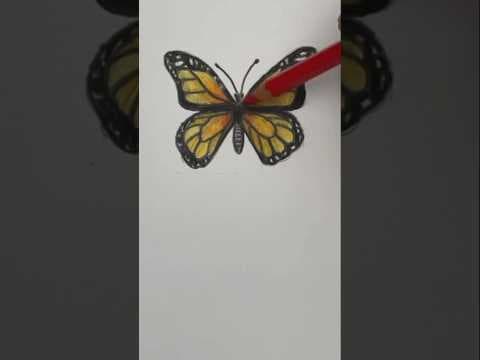
Finding Structure and Vibrancy: A Simple Butterfly Sketching Lesson


Loose Papers & Wildlife Wonders: A Sketchbook Peek with Studio Wildlife

The Mystery in the Marks: Drawing, Art, and the Echo of Matisse
