Cheesy Dill Dreams: Making Showstopper Loaves (Even in a Bread Machine!)
Want a deeply flavorful, savory cheddar and dill loaf? We'll walk through the science of this irresistible bake, covering everything from water temperature to the perfect crumb.

If you’re anything like me, you love a good loaf—the kind that smells like pure sunshine and a bit of fancy cheese. Sometimes, the easiest way to get a fantastic, cheesy crust is to let a bread machine do the heavy lifting. But listen up, cobber. While these machines are clever contraptions, they only get you so far. Understanding *why* we add that sugar, or *why* the flour needs to be bread flour, is what turns a simple loaf into a proper artisan bake.
This Cheddar Cheese & Dill bread is a winner, guaranteed. The sharp cheddar provides a rich, savory backbone, and the dill gives it that beautiful, aromatic pop. Whether you're using a trusty bread machine or tackling this whole loaf by hand, understanding the fundamentals of fermentation is key to that perfect, crackly crust and a tender crumb.
The Baker’s Science: Why This Recipe Works
Before we dive into the steps, let’s have a quick chat about the ingredients. It’s not just about dumping everything in and hitting ‘Start.’
Understanding the Basics
- Bread Flour vs. All-Purpose: The recipe recommends bread flour because it has a higher protein content. That means more gluten development, which helps your loaf achieve that beautiful, sturdy rise and a chewier texture. While you *can* swap them out, bread flour gives you a bit more structural support for a big loaf.
- Lukewarm Water: We’re talking 'baby bath' temperature (around 100–110°F). If the water is too hot, you kill the wild yeast and the instant yeast; if it’s too cold, the fermentation process slows to a crawl. Getting that temperature right is crucial for a vigorous start.
- Salt & Yeast: Salt doesn't just make it taste salty; it helps regulate the yeast's activity, ensuring a steady, predictable rise.
This guide uses the bread machine method, but keep in mind that mastering this bake by hand (using a stand mixer or even just by hand) is the real goal. It’s the only way to truly feel the *magic* of the dough.
The Process: Loading the Loaf Pan
When you're ready to bake, here is the rundown. If you're new to this, take your time. Getting the ingredients in the right order helps the machine work its magic. Remember, the key is to keep the components separated until the machine starts mixing.
- The Liquids: Start by pouring in the lukewarm water and the melted (or oil) butter.
- The Sweetener: Add the teaspoon of sugar. This is a simple food activator for the yeast.
- The Dry Goods: Next comes the flour, followed by the salt.
- The Stars: Gently fold in the instant yeast and the delicious dried dill.
A Quick Note on Dill
Fresh dill is magnificent, offering a more potent, garden-fresh aroma. If you have a surplus from the garden, use it! But dried dill is perfectly fine and keeps for ages. The combination of cheddar and dill is unbeatable, trust me.
Baking is a patient business. Don't rush the rise, and don't be afraid if your first loaf doesn't look like a magazine spread—that's just part of the learning curve. Every loaf is a lesson. If you’re ready to take your baking skills from 'curious beginner' to 'confident intermediate,' there are some amazing resources out there.
If you’re keen to really dial in your skills and learn the difference between a good bake and a great bake, we recommend checking out the 30-Day Sourdough Challenge. It’s the best way to build confidence and muscle memory right from the start. Check it out and let's get baking!
Frequently Asked Questions
Loading comments...
Related Posts

Jalapeño Cheddar Sourdough: A Little Heat, A Lot of Heart

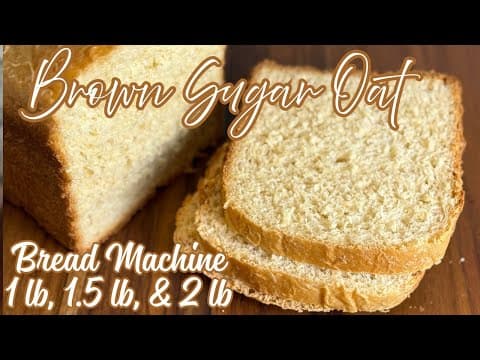
A Hearty Outback Loaf: Brown Sugar Oatmeal Bread in the Bread Machine


Bread Machines: Are They Really All That Bad?
