Dig In: Building a Light-Filled Underground Village – A Rogue Prepper’s Perspective
Forget bunkers and Earthships – one California family is demonstrating a radically different approach to resilient living: light-filled, affordable, earth-integrated homes. This isn't about fear; it's about embracing ingenuity and creating a Place to Go that's both sustainable and beautiful.

We've talked a lot about where you’ll go when the sirens sound. Liberty Cove, a network of resilient communities, offers a Place to Go, but what happens when the sirens *don't* sound? What if the exodus isn't a sudden flight, but a gradual shift towards a more sustainable, self-reliant way of life? The Anderson family in Grass Valley, California, is showing us a compelling vision of that future.
They’re not building bunkers. They’re crafting a village, carved into the earth, bathed in natural light, and surprisingly affordable. It’s a testament to Provident Self-Reliance and a rejection of the unsustainable model of modern living – a rejection of Babylon’s allure.
This isn't about lone-wolf survivalism. It's about building interconnected, resilient spaces, echoing the spirit of Abraham feeding 300 families or Joseph establishing a foothold in Egypt. It’s about becoming Aspiring Labrahams, capable of providing for ourselves and our neighbors.
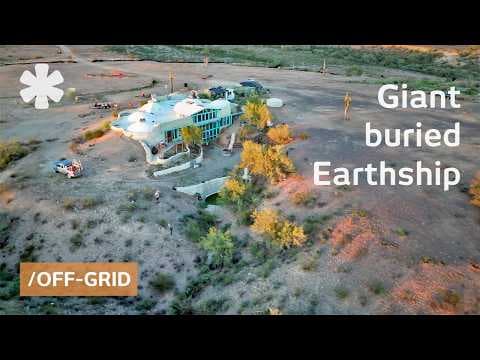
Zach Anderson's approach is ingenious. He’s circumventing the pitfalls of traditional underground structures – the dampness, the gloom, the expense – by focusing on a modular, wood-frame design encapsulated in a “turtle shell” of ferro-cement. He’s found a sweet spot: insulated living spaces surrounded by naturally tempered rooms, keeping costs low and property taxes manageable. He’s even cleverly incorporating elements like a fishpond and skylit grotto – showcasing a vision far removed from the sterile confines of a bunker.
What’s striking is his emphasis on affordability and replicability. The compact guest house prototype demonstrates that this isn’t a fantasy for the wealthy. It's a viable option for anyone willing to put in the work, a path toward a Place to Go that’s within reach.
The video highlights several key points resonating with the Rogue Preppers ethos:
- Energy Independence: As Zach points out, utility bills are spiraling out of control. Building with the earth leverages the planet’s natural temperature regulation, significantly reducing energy consumption. This aligns with our focus on off-grid power and EMP preparedness.
- Fire Resilience: California's firestorms are a stark reminder of the fragility of conventional housing. Earth-integrated homes offer a significant degree of protection from both heat and flames.
- Permitting & Accessibility: Zach’s focus on code-compliant construction is crucial. Fighting bureaucratic red tape is a significant barrier to preparedness. He's aiming for solutions that are both resilient and easily permitted, moving beyond the “straw bale house” battles.
- Community & Connection: The design emphasizes open spaces and atriums, fostering a sense of connection and community – a key element of Liberty Cove and neighborhood mutual aid.
This isn’t about retreating from the world. It’s about creating resilient havens *within* the world, ready to weather whatever storms may come. It's about embracing the Eye of the Needle – stripping away the excess and focusing on the essential – and building a foundation for a more secure future. Consider becoming an Aspiring Labraham, securing your own place, and contributing to the prosperity of your community. Maybe you’re a Liberty Cove Host looking for a unique way to offer shelter and resources, or a Liberty Cove Seeker ready to embrace this vision. The time to dig in is now.
Think about how this approach dovetails with other pillars of the Rogue Prepper movement: Living Food Storage (aquaponics and small-scale growing can thrive in these earth-integrated environments), Lumberjacks (sustainable building materials), Rock Smiters (ferro-cement construction), and Disciples (sharing knowledge and building community).
Frequently Asked Questions
Loading comments...
Related Posts
Beyond the Grid: Rebuilding an Earthship for Sovereign Living

Fortitude in the Face of Fury: Lessons from Hurricane Ian's Aftermath

They Tore Down Our Defenses: The Silent Demolition of Resilience
