Digging Deep: Root Cellars, Soil, and the Future of Food
Building a root cellar isn't just about storing food; it's about building resilience and reclaiming control over our food systems. This farmer's journey shows us the grit and rewards of providing for family and community.

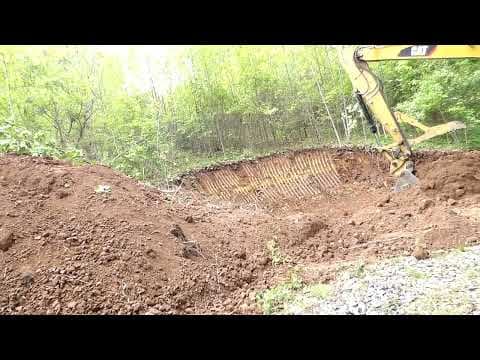
There's a quiet confidence in the hands of a farmer who’s building something real. Something that isn’t reliant on a global supply chain, a fluctuating fuel price, or the whims of Big Ag. The video below shows exactly that – a root cellar taking shape, a testament to a different way of doing things. It’s the kind of project that a Food Angel might tackle, understanding that true security comes from what you can produce and store yourself.
You can practically feel the effort radiating from the screen. Moving that much earth isn’t a weekend hobby; it’s a commitment. And the folks in this video aren’t just moving dirt; they’re uncovering something valuable: incredible topsoil. As one of them observes, “My God, the soil looks awesome.” That's the kind of soil that feeds families and builds food sovereignty, the ability to provide for your own needs and those of your community.
Building a root cellar like this isn't a frivolous undertaking. It’s a strategic investment. A few feet of earth piled on top of the roof will help regulate temperature, preserving harvests well into the winter months – a far cry from the fragile just-in-time system we've become accustomed to. This is about building a buffer, preparing for whatever the future holds.
The conversation about old equipment and diesel prices is a stark reminder of the realities facing farmers today. It's a tough business, and it demands resourcefulness. But it also highlights the potential of smaller-scale operations. A push mower might leave you with “jelly legs” for a day, but it’s a far cry from relying on a fuel-guzzling tractor and the fluctuating price of diesel.
This isn’t about rejecting technology; it’s about choosing the right tools for the job. It’s about understanding that a robust food system isn't built on complexity, but on simplicity and resilience. Think about it: a well-built root cellar, a thriving market garden, a flock of pastured chickens – these are the building blocks of a secure and independent food supply.
And speaking of market gardens, it's worth noting the conversation about dumping that rich topsoil into garden bags. That’s a perfect opportunity to connect with the Distributed Farmers Market + CrownRunner delivery loop, finding local customers eager for nutrient-dense produce grown in that amazing soil. It’s a way to turn surplus into income, and strengthen the local food web.
While this project leans towards the vocational scale – more than the backyard gardener’s scope – the principles apply to all who are seeking to reclaim their food security. Whether you're a Rogue Farm building a root cellar or a Rogue Grower tending a permaculture patch, you’re contributing to a movement that's bigger than yourself.
This isn’t about fighting Big Ag; it’s about offering a better way. A way that prioritizes soil health, community, and resilience. It’s about providing for your family first, then extending that abundance to your neighbors.
Ready to get your hands dirty?
- Start an aquaponic build: Basement aquaponics can be a surprisingly accessible entry point into sustainable food production.
- List your produce in the Distributed Farmers Market: Connect with local buyers and build a direct-to-consumer business.
- Claim a creator profile: Share your knowledge and connect with other farmers in the Sovereign.ink ecosystem.
- Find a local farmer near you: Learn from experienced practitioners and build a network of support.
Frequently Asked Questions
Loading comments...
Related Posts
Don't Rely on the Seed Man: Why Rogue Farms Save Their Own

Getting the Harvest to Last: Proper Storage for Your Root Cellar


Rainy Day Resilience: Family, Food, and the Farm
