Egg Washes: More Than Just Shiny Bread
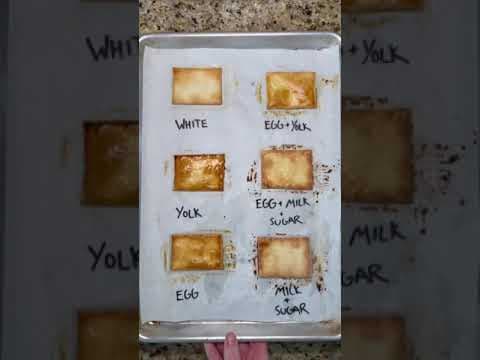
Want to add a little somethin' extra to your loaves? It's not all about the bake – the egg wash can make a real difference. Let's explore how different parts of the egg, plus a few additions, can create stunning finishes.

G’day, Rogue Bakers! Outback Jack here. Been a while since we’ve had a chat about the finer details of bread finishing – the stuff that takes a good loaf and turns it into something a bit special. We spend a lot of time getting the crumb just right, the crust singing, and the fermentation working its magic, but often overlook the simple act of an egg wash. Seems small, doesn’t it? But trust me, it’s a powerful tool. It's not just about making your bread shiny, it’s about adding color, texture, and a touch of personality.
Now, you might be thinkin’, “Egg wash? Just whisk an egg and brush it on.” And you’d be partly right. But there’s a whole world of options beyond that. The video below breaks down a few different approaches, and we’re gonna unpack why each one works.
Why Bother with an Egg Wash?
Beyond the shine, an egg wash does a few things. First, it helps the crust develop a richer color during baking. The sugars in the egg caramelize, giving you that beautiful golden-brown hue we all chase. Second, it can add a little extra texture – a slight crackle or gloss, depending on your technique. Third, it’s a chance to add a touch of flavor. A bit of sugar can enhance sweetness, while milk can soften the color and create a more subtle sheen.
Different Egg Washes, Different Looks
So, what are your options? Let’s break it down:
1. Just the Egg White
Using just the egg white creates a very subtle sheen. It’s great if you want a clean, understated look, or if you’re worried about the yolk browning too quickly. It’s a good starting point if you're new to egg washes.
2. Egg White and Yolk
This is a popular choice for pastries and enriched doughs. The yolk adds richness and a deeper golden color. It's the 'standard' for a reason – it's reliable and looks fantastic. Remember, the yolk is more prone to browning, so keep an eye on your loaf in the oven.
3. Egg, Milk, and Sugar
This combination is fantastic for pies and tarts, but works beautifully on bread too. The milk softens the color, preventing it from getting too dark, and the sugar boosts the caramelization, giving you a lovely shine and a hint of sweetness. The milk also contributes to a softer crust.
Tips for Success
- Don’t overdo it: Too many coats of egg wash can lead to a sticky crust. One or two coats are usually sufficient.
- Apply gently: A soft brush or pastry brush is best. Don't scrub the surface; gently coat the loaf.
- Timing is key: Apply the egg wash shortly before baking, ideally when the loaf is fully proofed.
- Experiment! These are guidelines, not rules. Try different ratios of egg, milk, and sugar to find what works best for your dough and your taste.
Remember what Bread Angel Elsie Mae always says, 'A little bit of extra care at the end can elevate your bake to something truly special.' And she's right. It’s about taking pride in your craft, right from start to finish.
If you're keen to level up your sourdough game, why not join the 30-Day Sourdough Challenge? We'll cover everything from starter maintenance to advanced shaping techniques. Or, if you’re feeling a bit lost, consider connecting with a Guild Master – they can provide personalized guidance and support.
Frequently Asked Questions
Loading comments...
Related Posts

Olive Oil in Baking: Beyond the Cake

Toast Talk: Why Heat Makes the Difference in Your Loaf

Heat, Rest, and the Perfect Rise: Lessons in Temperature for Your Loaf
