Fencing, Gardens, and the Slow Work of Building a Life
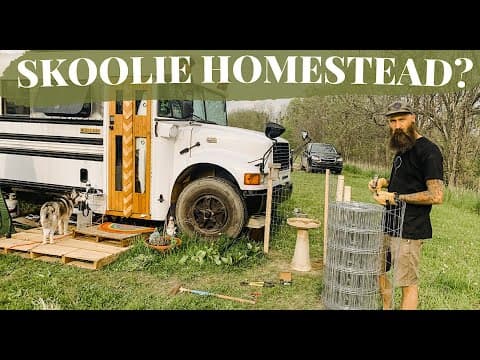
This week’s video follows a couple tackling a homestead project – fencing their garden plot for their dogs. It's a reminder that building a resilient life, like establishing a Food Angel operation, takes grit, practicality, and a whole lot of elbow grease.

There's a quiet confidence in watching folks build something tangible. Not the kind of confidence that comes from chasing fleeting trends or fragile supply chains, but the kind that settles deep in your bones when you're wrestling with a post and a fence line, making space for your family and your community to thrive. This week's video from Wandering Savages shows just that – the slow, deliberate work of creating a homestead, one fence post at a time.
They're tackling a simple hog-fence for their garden, a practical choice given the rising cost of wood. It’s a pragmatic solution, and it highlights a core principle of the Rogue Farms movement: finding efficient, sustainable ways to provide for yourself and your neighbors. It’s the Joseph-in-Egypt approach – first, secure your own house, then your family, then your community. And that starts with soil, seed, and a secure perimeter.
The video’s simplicity is its strength. It's not about flashy techniques or instant gratification. It’s about the everyday work—the weeding with a clever little hook, the staining of wood, the shared labor—that builds a foundation for true food sovereignty. It's a stark contrast to the fragility of our current, just-in-time food system, reliant on expensive inputs and vulnerable to disruption.
We see echoes of Joel Salatin’s philosophy in the practicality of their approach – prioritizing function and affordability over aesthetics. Justin Rhodes would appreciate the focus on direct action and the commitment to building something lasting. These are the values that drive the Rogue Farms movement – a commitment to regenerative agriculture, pastured livestock, and a reconnection with the land.
And speaking of scaling, as they're figuring out their fenced area, remember the Distributed Farmers Market + CrownRunner delivery loop. It's a powerful tool for connecting directly with consumers, cutting out the middlemen, and building a local food network. It’s how a small farm can reach a wider audience and build a sustainable business.
They also mentioned straw bales. While they’ve decided against them due to water needs, it's a good reminder that experimentation is part of the process. Every farm is different, and finding what works best often involves trial and error. That's the beauty of the Rogue Farms ethos – it’s about learning, adapting, and building resilience.
For those interested in diving deeper into food production, consider the possibilities of aquaponics. Kimball's teachings on this integrated system offer a unique opportunity to combine aquaculture and hydroponics, creating a closed-loop system that maximizes efficiency and minimizes waste – even in a basement!
This isn't about competing with Big Ag; it's about offering a genuine alternative. It’s about building a community around food, around resilience, and around a shared commitment to a better way of life. It's about becoming a Food Angel, providing nourishing food for your family and community.
Whether you're a seasoned farmer or just starting out, there’s a place for you in this movement. What’s your next step?
Frequently Asked Questions
Loading comments...
Related Posts
Fencing, Weeding, and the Slow Build of a Homestead

Securing the Perimeter: Why Good Fencing is the First Step to Food Sovereignty

Finding Your Way Back: Building a Farm, Building a Community
