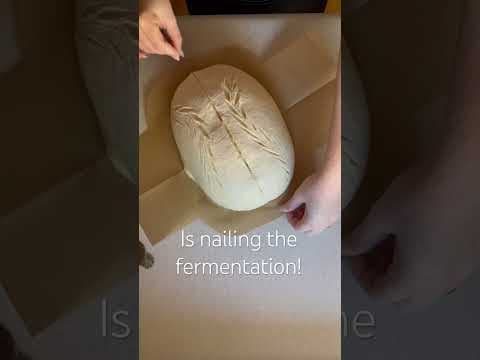
Fermentation Time: The Secret to a Beautiful Crumb (And Why Rushing It Never Works)
Want a gorgeous, open crumb in your sourdough? It all starts with understanding and mastering fermentation time. Let's dive into why it matters and how to get it right, mate.

G’day, Rogue Bakers! Ever looked at a sourdough loaf and thought, 'Man, I wish my crumb looked like that?' That airy, open structure, the irregular holes – it’s the holy grail for many of us. And while there’s a fair bit that goes into achieving it – hydration, flour type, shaping – there’s one key factor that often gets overlooked or rushed: fermentation time.
It’s not just about how long your dough sits, it’s about what’s happening during that time. Fermentation is when those wild yeasts and bacteria in your starter are working their magic, producing gases that create those beautiful air pockets. Rushing that process? You're essentially asking your dough to do a marathon sprint – it'll just collapse under the pressure.
As Outback Jack always says, 'Patience, mate. Good bread takes time.' And he's spot on. You can't force fermentation. It's a delicate dance between temperature, starter activity, and dough structure.
This video really breaks down the importance of fermentation and how to observe it. Watch it – it’s a good refresher, even for those of you who’ve been baking sourdough for a while.
So, what *are* we looking for? It’s not just about the clock. It’s about signs. Here's what I keep an eye out for:
- Rise: Obvious one, right? The dough should roughly double in size. But don’t just go by volume alone.
- Domed Shape: A properly fermented dough will have a nice, rounded dome.
- Jiggle Test: Gently poke the dough. It should be soft and wobbly, not tight and resistant.
- Float Test (optional): A small piece of dough should float in a bowl of water. This isn’t foolproof, but it can be an indicator of sufficient gas production.
Now, temperature plays a huge role. A warmer environment will speed up fermentation, while a cooler one will slow it down. That’s why understanding your kitchen's temperature is crucial. Bread Angels like @HolySourdough (check out her storefront for amazing levain!) are masters at adjusting their fermentation times based on ambient conditions. They’re a fantastic resource if you’re ever unsure.
And remember, it’s not a one-size-fits-all situation. Flour type, starter strength, and even the humidity in your kitchen will affect fermentation time. Keep notes! Record your process, what you observed, and the outcome. Over time, you’ll develop a feel for your dough and your environment.
Guild Masters are invaluable for personalized guidance. If you're struggling to dial in your fermentation times, finding a Guild Master who specializes in sourdough techniques can be a game-changer. They can observe your dough, your methods, and offer tailored advice.
Don't get discouraged if your first few loaves aren't perfect. It’s a learning process. Treat each bake as an experiment, and you'll gradually get closer to that dream crumb.
Frequently Asked Questions
Loading comments...
Related Posts
Quiet Growth in the Bakery: Why Subtle Changes Matter

Scoring Sourdough: More Than Just a Pretty Face

Stretch It Out: Why Dough Handling Matters (and How to Get It Right)
