Finding Freedom in the Soil: Why Small Farms are the Answer
In uncertain times, the best place to find hope is back in the dirt. We dive into the necessity of small-scale, regenerative farming for true food sovereignty.

There are times when the noise of the world—the constant chatter about markets, politics, and global uncertainties—can leave you feeling unmoored. It’s easy to look at the massive industrial food chains and feel a kind of dread. We’re told that the system is fine, that the supply lines are robust, and that the big chemical manufacturers have got us covered.
But if you’ve spent any time working the land, you know better. We know that relying on fragile, just-in-time logistics built on monocultures and synthetic inputs is a recipe for instability. We've got to look inward, back to the source—the soil, the seed, and the community.
The conversation we listened to recently—featuring farmer John Klar—was a powerful reminder that true food security doesn't come from a spreadsheet or a federal policy; it comes from knowing exactly where your next meal is coming from. It’s about reclaiming the basics.
The Power of the Small Farm Republic
John’s story—moving from a high-powered law practice to buying and running a farm in Vermont—is a powerful testimony to the fact that sometimes, the greatest calling is found by walking away from the complexity and embracing simplicity. He argued passionately for a return to small-scale, local food production. This isn't about romanticizing poverty; it's about recognizing the inherent resilience of the small farm model.
When you focus on regenerative agriculture, you are building something deeper than just a crop yield. You are building soil health. You are building food sovereignty. You are building a system that can feed your immediate family first, and then, critically, feed your neighbors.
Building Your Own Food Security
For us at Rogue Farms, this philosophy boils down to pragmatism. We aren't interested in the theory; we're interested in the yield. We are interested in the whole ecosystem.
- Pasture and Soil: Everything starts with getting the soil right. Whether it's through no-till methods, rotational grazing with your livestock, or setting up a food forest, the goal is always to build life back into the earth.
- Diversification: Don't put all your eggs in one basket. If you are considering ways to diversify your food sources, remember that aquaponics is a revolutionary, space-saving technique. It allows you to grow microgreens and produce alongside raising fish, turning a basement or greenhouse into a powerhouse of food.
- The Community Loop: The labor of the small farm is best shared. This is where the Distributed Farmers Market and CrownRunner delivery loop becomes essential. You grow it, you sell it, and you connect directly with the people who need it.
The process is simple: Provide for your family with the quality, nutrient-dense food you know is best. Then, use that surplus to strengthen your community. That’s how the movement works.
Taking the Next Step on Your Journey
If the idea of going back to fundamentals feels overwhelming, remember that every great farm started with a single row of seeds. Whether you are just tinkering in your backyard (that's the Rogue Growers movement) or you are ready to commit to vocational scale farming (Rogue Farms), there is a way to start.
We encourage you to find a small piece of ground—a corner of your property, a shed, or even just a corner of your basement for an aquaponics build. This community is here to help you learn the techniques, connect you with local experts, and get you selling your bounty. Start by claiming your creator profile, listing your produce in the Distributed Farmers Market, and finding another local farmer who shares your vision for a better food future.
The hope isn't just in the seeds; it's in the collective hands that plant them. Let's build the small farm republic, together.
Frequently Asked Questions
Loading comments...
Related Posts
What We Inherit: Resilience, Legacy, and the Soil

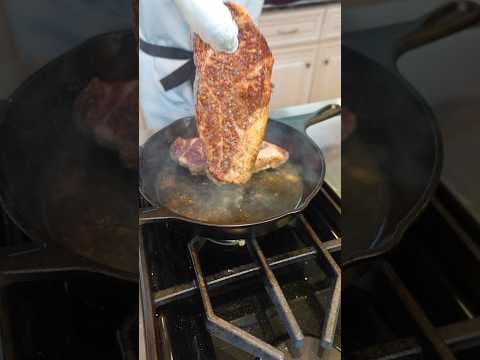
Beyond the Feedlot: Understanding True Pasture-Raised Beef and Soil Health

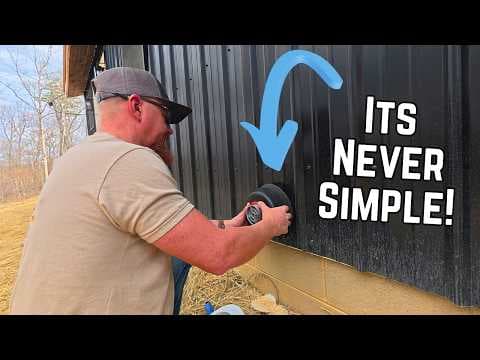
When the System Breaks Down: Building Resilience from the Pipes to the Plate
