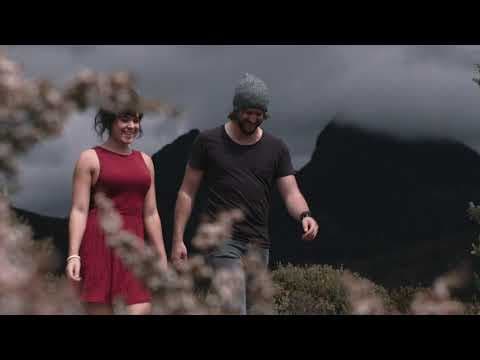
Finding Your Landscape: The Cripps Williams Secret to Tasmanian Bread
Cripps Williams' bread is legendary, and it turns out the secret isn't just a recipe, but a deep understanding of your environment. Let's unpack how observing your landscape – your kitchen, your starter, your ingredients – can elevate your sourdough.

G’day, Rogue Bakers! Ever bitten into a loaf and thought, ‘This tastes like *place*?’ That’s what Cripps Williams, the master baker behind Williams by Cripps, has achieved with his Tasmanian bread. He doesn't just bake; he draws flavour from the land. And the beauty of it is, you can do the same, no matter where you are.
Cripps’ recent video really digs into this idea – it’s not just about the flour, it’s about understanding the ‘ever-changing landscape’ that shapes it. Sounds a bit poetic, I know, but stick with me. He's talking about the interplay of temperature, humidity, and even the subtle differences in your kitchen that influence the fermentation process.
What's the 'Landscape' in Your Kitchen?
Cripps' philosophy is about observation. It's not about following a recipe blindly; it’s about understanding *why* a recipe works, or why it doesn't. Here's what that 'landscape' might look like for you:
- Your Starter: Is it thriving in summer heat or struggling through winter chill? Your starter's activity dictates the timing of your bake. A sluggish starter needs a warmer environment or a feeding adjustment.
- Your Flour: Different flours have different protein content and absorb water differently. A high-protein flour will need more water than a lower-protein one.
- Your Water: Hard or soft? Chlorinated or not? These things impact gluten development.
- Your Kitchen Environment: Humidity levels affect proofing time. A warm kitchen will accelerate fermentation.
Think of it like this: Bread Angels like Sarah Kieffer (check out her storefront on HolySourdough here) consistently talk about understanding your flour – each bag is slightly different! It's the same principle – acknowledging the nuances of your environment.
Beyond the Recipe: Adapting and Observing
Cripps doesn't give us a specific recipe in the video, but the underlying message is clear: adapt. Don't be afraid to adjust your water ratio based on your flour's absorption. Don't panic if your proofing time is longer than the recipe suggests – it might just mean your kitchen is cooler.
Guild Masters often emphasize this too. They aren't just handing out recipes; they're teaching you to think like a baker, to become observant and responsive to your dough. If you’re feeling stuck, finding a Guild Master is a great way to level up your skills. You can find one right here.
The Tasmanian Difference
Cripps highlights the unique conditions of Tasmania – the glacial temperatures, the warmth of the sun, the clean air. These factors contribute to the character of his bread. But you don’t need to be in Tasmania to replicate this principle. You just need to be mindful of *your* landscape.
It's about understanding how these factors interact and adjusting your technique accordingly. It’s about learning to “read” your dough. It's not about aiming for perfection; it's about embracing the process and the unique flavours that emerge from it.
So, next time you're baking, take a moment to observe. What's the temperature like? How's your starter behaving? How does the flour feel? You might just discover a secret ingredient in your own kitchen.
Right then, are you ready to truly master your sourdough? The 30-Day Sourdough Challenge will guide you through every step of the process, from starter creation to beautiful, artisan loaves. Join the challenge today!
Frequently Asked Questions
Loading comments...
Related Posts
Respect Your Dough: Letting It Tell You What It Needs

Slow Down, Mate: Why Patience is Your Secret Sourdough Ingredient

Weather Got You Down? Baking Through the Uncertainty
