From Koi Ponds to Planted Paradise: Rethinking the Water Cycle
We all know the dread of the water change, but even the masters of the pond world are looking for sustainable solutions.

You know the feeling. That sinking dread when you look at the water parameters, the inevitable dip in pH, the sheer volume of water that needs to be dumped out, replaced, and re-balanced. Whether you're managing a massive koi pond or a meticulously dialed-in 55-Gallon Tank Topper, the cycle of water change is the universal rite of passage for any serious aquarist. It’s the constant reminder that nothing in this beautiful, complex ecosystem is truly static.
It’s a necessary evil, right? We treat it like a maintenance chore, a necessary sacrifice to keep the ammonia and nitrite from spiking and the nitrates from building up. We get good at it—the precise dosing, the filtration adjustments, the careful acclimation. We are masters of the cycle, until we realize we’re just delaying the inevitable drain.
But what if the solution wasn't *maintenance*, but *integration*? What if the filtration system itself could become part of the life support, not just a mechanical scrubber?
Watching the masters of the koi pond at work—the sheer scale of it, the dedication to the bloodlines, the artistry in the selection process—it makes you think about efficiency. They manage massive, open systems, and while the focus is on the fish show quality, the underlying principle of nutrient cycling is key. And that’s where the conversation shifts, from the magnificent, deep ponds to the incredible potential of aquaponics.
We spend so much time perfecting the hang-on-back filtration, dialing in the canister filter flow rates, or perfecting the nutrient uptake in our planted tanks with Java Fern and Anubias. But the goal of advanced fishkeeping, whether you're nurturing show-quality Fancy Guppy genetics or keeping a pristine discus collection, should be to achieve a state of near-perfect, self-sustaining equilibrium. And aquaponics? That’s the cheat code for the dedicated hobbyist.
It’s not about replacing the science—we still respect the nitrogen cycle, the biochemistry, the meticulous quarantine protocols. It’s about *closing the loop* on a grand, beautiful scale. The fish waste feeds the plants, the plants clean the water for the fish, and we get to watch a thriving, miniature ecosystem that feels less like a hobby and more like a true stewardship of life.
For those of us who appreciate the deep science behind the show ring, who understand the difference between a desirable color strain and a mere genetic anomaly, we know that optimizing the biological load is everything. And aquaponics does that while simultaneously providing a stunning, living centerpiece to your fishroom.
If you’re ready to move beyond the endless cycle of water changes and start building a system that actively regenerates itself—a true reflection of responsible stewardship—I highly recommend looking into setting up a dedicated aquaponics module. It’s the next level after mastering the sump or optimizing your Walstad setup.
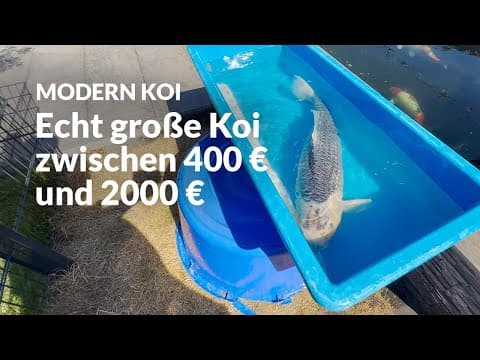
Curious to see the scale of dedication in the pond world? Check out this look at the Modern Koi Blog.
Whether you’re a Certified Rogue Aquarist just getting your hands dirty, an Aqua Angel mentoring a new enthusiast, or even a teacher bringing the principles of biological filtration into a homeschool curriculum, the principles of sustainable water management apply. Let’s chat about how to make your next setup self-sufficient.
Frequently Asked Questions
Loading comments...
Related Posts

Regeneration and Resilience: Lessons from the Axolotl for the Modern Fishkeeper


Beyond the Water Change: Thinking Like a True Steward of the Ecosystem

From Koi Auctions to Aquaponics: Finding the Flow State in Fishkeeping
