From Mason Jar to Meal Prep: Growing Protein Power in Your Garage
Don't let the 'meal prep' hustle intimidate you. We're taking the high-protein, fresh-food focus of a full day's cooking and applying it to your garden setup.

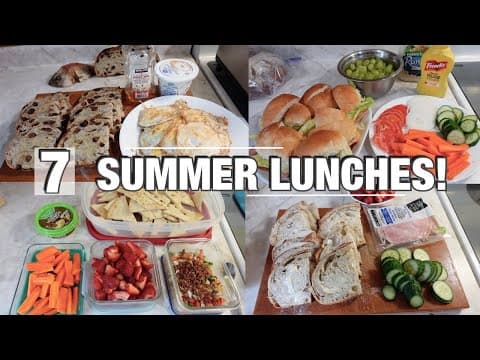
Watching someone spend hours prepping a full day of high-protein meals—sourdough, eggs, ham, veggies—it makes you think about where all that *stuff* comes from. You want that fuel, right? You want the fresh, real ingredients that taste better than anything store-bought.
But let's be real. Getting that much fresh, nutrient-dense food doesn't require a sprawling farm. It requires smart stacking, and it can start smaller than your coffee maker.
We're talking about turning that "I don't have time/space/knowledge" feeling into "I can do this this weekend." Whether you're elbow-deep in a public school science lab, nursing a tiny balcony garden, or just trying to feed your family in a small apartment, the principles of maximizing yield—whether it’s protein, carbs, or greens—are the same.
The "Smallest Possible First Step" Mentality
When we talk about growing, we often picture massive raised beds or complex aquaponics systems. Forget that noise for a minute. If you can make a decent cup of coffee, you can start growing food. We are building capability, not acres.
Think about the components of that meal prep: eggs (protein), sourdough (carbs), and the fresh veggies (vitamins). Can you grow a mini-version of those components? Maybe not the whole loaf, but you *can* start with a few inches of deep water culture (DWC) for some fast-growing lettuce, or even set up a tiny worm farm in a corner of your garage to start building compost for future use.
If you’re a fishkeeper, this is where the magic happens. Instead of just dumping the water and worrying about the ammonia spike, you’re looking at a nutrient stream. That fish waste? It’s liquid fertilizer, perfectly balanced, right into your roots. No more buying bags of fertilizer—just keep the fish swimming, and the plants thrive.
Stacking From Here
The beauty of this movement, whether you're aiming for a Certified Rogue Grower patch or running a full classroom aquaponics unit, is that you stack. Today, you're growing basil in a single mason jar on a windowsill. Next month, you’ve got that jar elevated into a small, self-watering balcony container. The next season? You’re looking at a small, dedicated grow tower in your basement.
This isn't about perfection; it's about iteration. It’s about the next small, achievable build. If you're interested in seeing how complex systems can feed a family, check out the process of meal prep—it shows the *need* for reliable, fresh inputs.
We want to make this accessible enough that a teacher can run a demonstration using just a few goldfish in a 10-gallon aquarium topped with a lettuce raft, and a student can graduate to becoming a Certified Aqua Kid. We are building self-sufficiency, one container garden at a time. Don't let the complexity of commercial-scale builds, like those pioneered by Murray Hallam, discourage you. Start with the smallest unit. Can you get a few herbs growing in a window box this week? That's your first harvest.
If you're ready to see the absolute simplest first step for starting your own closed-loop system, check out our beginner build guide for the Mason Jar Starter Kit. Or, if you're local and want to see these concepts in action, swing by our next "Garden Gates Open" day!
Frequently Asked Questions
Loading comments...
Related Posts

From Mason Jar to Meal: Harvesting the Full Day of Food in Your Backyard

Inflation Proofing Your Harvest: Growing Food When Everything Costs More

From Mason Jars to Family Feasts: Building Your Self-Sustaining Lunch Program