From Spring Tension to Damascus Steel: Forging a Knife from Pin Parts
Watch as a seasoned knifemaker takes humble pin springs and, through careful forging, welding, and heat treatment, transforms them into a usable piece of Damascus steel.

There’s nothing quite as satisfying in the forge as taking something discarded—something that was meant for nothing—and giving it a second, deadly life. Some folks think that a pile of old curtain hooks or broken spring mechanisms are destined for the scrap bin. But what if that seemingly useless pile of metal could become a beautiful, functional piece of Damascus steel?
This video proves it. It’s a deep dive into the art of the transformation, taking common pin springs and, over five intense days, forging them into a usable, wicked-looking Bowie-style knife. This isn't just about making a knife; it's about mastering the entire process—from the initial billet setup to the final quench and polish.
The Journey from Scrap to Steel
The process starts with the raw material: a mountain of pin springs. The goal isn't just to collect the metal, but to organize it, to prepare it for the fire. The knifemaker demonstrates the initial prep work, carefully retrieving and sorting the springs. This stage is critical, as the quality and consistency of the billet steel directly dictates the final blade geometry and performance.
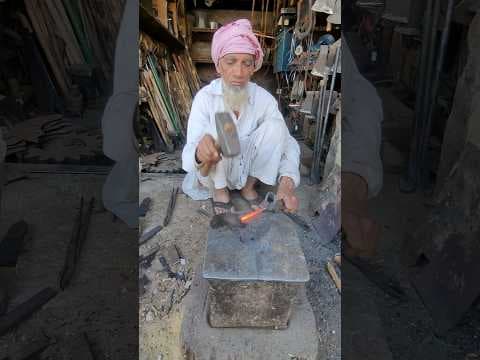
Once the material is gathered, the magic of the forge begins. The springs are laid out, and the knifemaker begins the intense work of forging. Watch how they manage the initial welding process, drawing out the separate pieces and prepping them for the complex task of forming a patterned Damascus blade. When working with a highly patterned material like this, every tear, crack, or imperfection is a potential disaster, requiring immediate attention and expert knowledge of heat control.
Welding, Patterning, and the Reset Button
The core of the technique involves welding multiple pieces—or billets—into one solid piece, building up the complex pattern that defines true Damascus steel. The heat management here is everything. The pieces must be heated evenly, drawn out, and welded together in precise sections. The knifemaker uses specialized tools to control the heat and ensure the seams are perfect, building the structure that will eventually become the blade.
After the initial forging and shaping, the piece needs to be stabilized. This is where the vital step of **normalizing** comes in. Normalizing is essentially hitting the 'reset button' on the steel. By heating the blade to a specific temperature and allowing it to cool slowly in the air (or in a controlled cycle, as seen here), the knifemaker relieves internal stresses built up during the intense hammering and forging process. This ensures the blade won't warp or crack during later heat treating.
From Heat Treatment to Final Polish
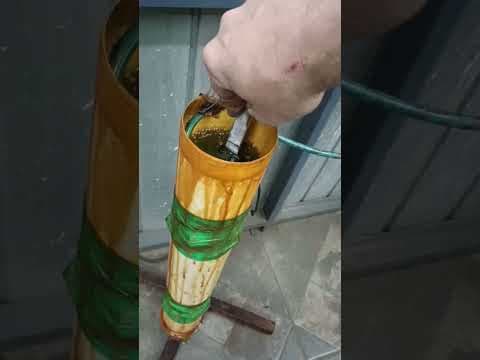
The process continues with the final shaping and the crucial acid bath. The knifemaker demonstrates the precise use of acid (like a pickling solution) to reveal the beautiful, contrasting layers of the Damascus pattern. The alternating dark and light colors are the physical manifestation of the different types of spring steel welded together—a stunning visual testament to the maker's skill.
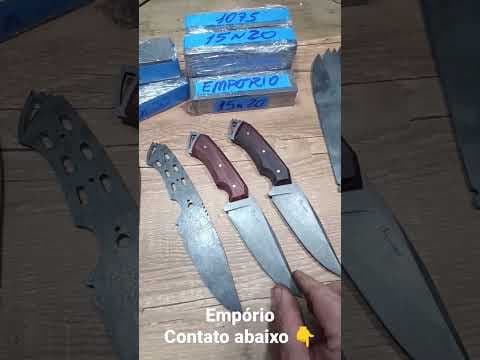
The final steps involve the detailed preparation of the blade for use. This includes grinding the shape into its final form, potentially defining the bolster and the edge geometry, and ensuring the piece can withstand the rigors of field use. The transformation from delicate spring parts to a functional, deadly Bowie knife is complete.
Takeaways for the Rogue Blades Community
This video serves as a powerful reminder that true craftsmanship doesn't require expensive, specialized materials. It requires knowledge, patience, and an understanding of metal's properties. Whether you're an experienced bladesmith working with patterned billet steel or a curious collector just admiring the work, this piece highlights the depth and resilience of the craft.
If you want to see techniques like this in action, or if you're ready to take your own billet steel from raw chunk to finished piece, join the movement. Find a certified **Blade Angel** near you, attend a live workshop at HolyPlaces, or commission a custom piece to build your collection. The forge is always open.
Frequently Asked Questions
Loading comments...
Related Posts
The Art of the Flow: Mastering Feather Damascus Patterns

Cutting Corners (Literally): Streamlining Your Damascus Billet Prep
The Geometry of Fire: Mastering the Art of the Blade's Transformation
