Fueling the Future: What 2000 Calories *Actually* Look Like for Your Grow Site
Thinking about the energy input for your growing system? We break down what 2000 calories means in real food terms, and how that applies to powering your little food revolution.

You look at a plate of food—a big, colorful spread—and you think, "Wow, that's a lot of energy." You might wonder how much *work* that energy represents, or how much *input* it takes to get that much nutrition into your family, or your classroom.
We all know the goal: feed ourselves with what we grow. But sometimes, the sheer scale of what we need to eat—the daily caloric intake—can feel overwhelming. It makes you think about the energy required to grow a single meal, and that’s where we need to get practical.
If you’re running a classroom aquaponics setup, or even just trying to keep your balcony garden thriving through a tough winter, energy input matters. It's not just about the seeds; it's about the whole system.
Fueling the Future: What 2000 Calories *Actually* Look Like for Your Grow Site
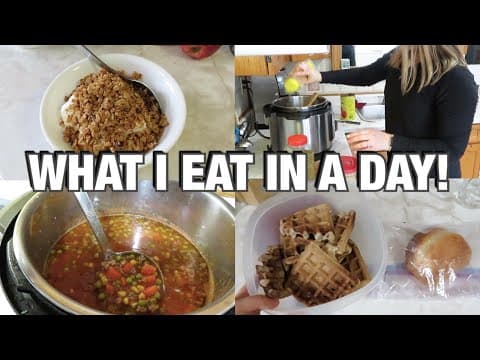
We watched a breakdown of what 2000 calories looks like across various foods. It’s a wild mix: a few slices of bread, some chicken nuggets, maybe a couple of Big Macs, and a whole lot of processed stuff mixed in.
When we translate that into growing terms, it’s a reminder that our goal isn't just to mimic a restaurant meal; it’s to build a self-sustaining *system* that generates that energy output with minimal external input.
For those of us building systems in garages, basements, or even RVs, the concept of "input" is everything. We want the energy cycle to be as closed as possible. That's why aquaponics is magic. You’ve got your fish (the energy source/waste producer), and you’ve got your plants (the energy consumer/cleaner). The fish waste feeds the plants, and the plants clean the water for the fish. No need to constantly dump in fertilizer or buy bags of soil amendments.
If you’re running a Deep Water Culture (DWC) setup for lettuce, the nutrient cycle is already optimized. If you’re running a tank topper, the fish waste is directly feeding the roots. This is the difference between *gardening* and *growing* in a closed loop.
Think about it: Instead of buying bags of potting mix, or worrying about soil compaction in your container garden, you are utilizing the waste stream of a living system. This is how you scale up from a single mason jar experiment to something that could power a whole classroom demonstration!
If you're a fishkeeper who's tired of the constant water change ritual, or a gardener who hates the back-breaking work of weeding a raised bed, this concept is your green light. You can do this in your basement, using just a couple of goldfish and a few floating rafts.
Don't let the complexity of the whole system scare you. Start small. Get a 10-gallon aquarium, float one basil plant on top, and watch the magic happen. That single, small build is the first step toward making your own food source reliable.
If you're ready to see how this works in action, check out this video breakdown of caloric intake!
We're building a movement here, connecting backyard efforts to potential school curricula. Whether you're aiming to become a Certified Rogue Grower, mentor others as a Garden Angel, or teach the next generation as a Certified Aqua Kid, the principle remains: close the loop. The energy for your food comes from the waste of another cycle. Let’s get building!
Frequently Asked Questions
Loading comments...
Related Posts
Beyond the Lettuce: What Else Can You Grow in Your Garage?

From Empty Fridge to Full Harvest: Growing Food When You Think You Have Nothing


From Jar to Harvest: Finding the 'Crazy' in Your Own Backyard Aquaponics
