Getting the Most Out of Your Grain: The Science of Consolidating Wood Fibers
Don't just plane wood—prepare it. Learn how adding a simple clamp and sacrificial block can radically improve your planing results and cut quality.

There are plenty of tricks in the woodshop, but sometimes the best tips aren't about a fancy new tool; they're about understanding the material itself. Every piece of lumber, whether it's a beautiful slab of walnut or a common piece of pine, has its own grain structure, and that structure dictates how it reacts to force—especially the force applied by a sharp hand plane or a table saw blade.
When you're doing precision joinery—say, fitting up a series of dovetails or making a tight mortise and tenon joint—you can't afford blowouts or tear-out. You need the cut to be clean, solid, and predictable. But what happens when you encounter a section of wood that is slightly stressed, or where the fibers are looser and more prone to shifting?
The Secret to Solid Planing
In the shop, we've all been there. You're making a pass on a board, you're expecting a solid cut, and then BAM—a chunk of wood pops out, or the plane catches unevenly, leaving a messy gouge. The culprit is often the fiber structure itself. The wood isn't uniformly consolidated.
The technique demonstrated here is less a 'trick' and more a methodical way of pre-stressing the piece. It's about forcing the wood fibers into a more uniform, tightly packed state before the blade ever touches them.
The process is straightforward, but the payoff is significant. By applying controlled pressure—using clamps, in this case—and introducing a sacrificial piece of wood, you are essentially 'setting' the wood. You are compacting the fibers, making them less likely to shift, tear, or break out when subjected to the shear force of a plane. When you run the plane across that pre-consolidated area, the cut is visibly more solid, more consistent, and far less prone to those frustrating, unpredictable tear-outs.
This principle applies to more than just planing. Think about boards that have been bent, warped, or are simply drying out in the shop. Understanding how to manage the material's structural integrity before you cut it is what separates a novice woodworker from a skilled craftsperson.
Mastering the Material: Applying This Principle
Whether you're working on delicate trim work, fabricating custom cabinetry, or milling a live edge slab, paying attention to the material's state is paramount. If you're ever working with wood that has been subjected to uneven moisture changes, take a moment to assess the grain. Can a simple clamp or a carefully placed jig help stabilize the area before you commit to a cut?
It’s a reminder that sometimes the most advanced technique isn't a new machine; it's just observation and controlled pressure. It’s about treating the wood not just as a blank, but as a living, breathing material that needs preparation.
Next time you're setting up a board for a critical joint or a fine surface finish, don't just grab the plane. Take a minute to assess the grain, consider the tension, and remember that a little controlled pressure can make a huge difference in the quality of your final work. It’s all about the solid cut.
Get Back to the Shop
If this technique gave you a new way to think about your next project, we've got you covered. Find a Carpenter Angel near you, sign up for a wood shop class, or maybe list that custom commission you've been dreaming up. The workshop is always open, and the material is always waiting.
Frequently Asked Questions
Loading comments...
Related Posts
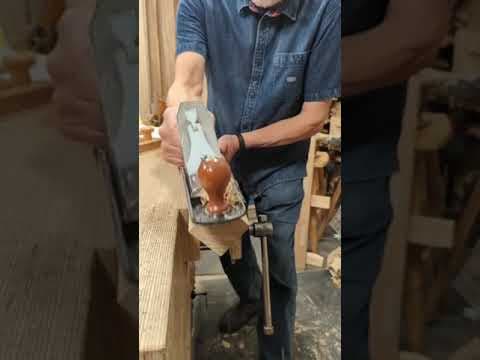
Quick Corners: Hand Plane Efficiency You Can Use Today


Finding Your Plane: It Ain't One Size Fits All
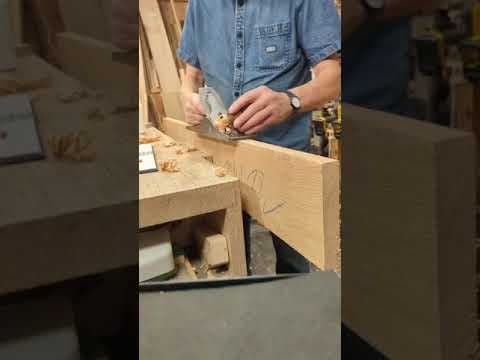
Long Planes: Not Just for Show, They're for Fixing Twist