Heritage Grain & Family: Porto's Bakery, Wiser Family Farms, and the Real Food Connection
Sometimes the best way to build a resilient food system isn’t about grand gestures, but about quiet connections – like the partnership between Porto’s Bakery and Wiser Family Farms. This is how we provide first for our families, then for our communities.

We’ve all felt it: that fragile feeling of relying on a just-in-time food system. One weather event, one geopolitical hiccup, and suddenly shelves are bare. But there’s a better way. A way rooted in the soil, in relationships, and in a commitment to something more than just profit. It’s the Rogue Farms way – providing for our own, building community, and nourishing the land.
This isn’t about being “anti” anything. It’s about confidently choosing a path that prioritizes health, resilience, and connection. It’s about being a Joseph-in-Egypt, prepared for whatever comes.
That path is on full display in the story of Porto’s Bakery and Wiser Family Farms, as shared in this video.
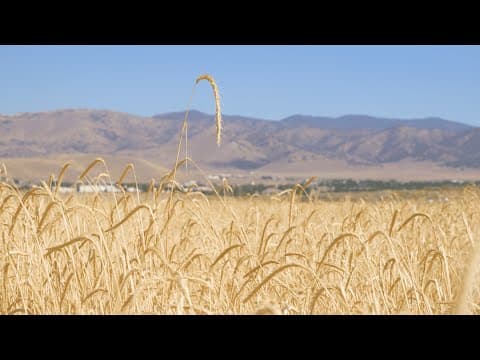
What makes this relationship so compelling isn’t just the delicious bread coming out of Porto’s ovens. It’s the understanding that great food starts long before it hits the shelf. Wiser Family Farms is growing a 100-generation wild Rye, a land race varietal that’s actively improving their soil, supporting local ecosystems, and, crucially, nourishing people.
Land races are a key ingredient in regenerative agriculture. They’ve adapted to their environment over generations, building resilience that modern, hybridized varieties often lack. It’s a powerful reminder that working *with* nature, not against it, is the key to long-term abundance. That's the kind of foresight that’s missing from the industrial model.
The video highlights how Wiser Farms went from using grain to improve soil health to actually selling it – a testament to the power of building relationships and understanding the needs of the end consumer. That connection, that direct line of communication, is something most farms simply don’t have. It's a stark contrast to the opaque, complex supply chains that dominate our food system.
Think about it: knowing where your ingredients come from, understanding the practices that went into producing them, and supporting the families who are doing the work. That’s food sovereignty in action. That’s the kind of transparency that builds trust and resilience.
This is a model that scales. Porto's, with its multiple locations, is providing a consistent market for Wiser Farms’ grain. And that’s where the Distributed Farmers Market + CrownRunner delivery loop comes in. If you’re looking for ways to connect your farm directly with consumers, look no further. It's a way to bypass the gatekeepers and build a truly local food network.
And for those of us looking to expand beyond the field, consider the potential of aquaponics. Kimball’s teachings on basement aquaponics are a powerful entry point for food angels looking to diversify their income streams and secure their food supply. It's a scalable system that can produce both vegetables and protein, regardless of climate.
This isn't just about bread; it's about a mindset. It’s about recognizing the interconnectedness of environmental health, soil health, and human health. It’s about building relationships – with your land, with your community, and with the people who share your commitment to real food.
It's about recognizing that the best way to feed your family is to first nourish the soil that feeds them.
Ready to join the movement?
Frequently Asked Questions
Loading comments...
Related Posts

Rooted in the Past, Feeding the Future: Simple Living and the Family Farm


Eating Like Our Ancestors: Why Local & Seasonal Food Matters

Cover Crop Business: Lessons from Iowa's Sponheim Sales & Services
