Mastering Polynomials: Making Algebra Feel Like 'Clockwork'
Don't let complex algebra intimidate you! We're breaking down polynomial multiplication so it feels systematic, like a predictable pattern you can master.

There are days when it feels like math concepts just pile up—one concept builds on the last, and suddenly you're faced with something that looks like an alien language. Algebra, especially when you get into multiplying polynomials, can feel exactly like that. You think, 'I understood binomials, so why is this next step so much harder?'
If you’ve been working through your math curriculum, you know that mastering one skill is the prerequisite for the next. It’s not about magic; it’s about recognizing the underlying *pattern*. And honestly, once you see the pattern, it really does start to feel like clockwork.
This lesson dives deep into multiplying polynomials—things like binomials times trinomials, and beyond. If you've been spending time with a homeschool co-op or working through a comprehensive curriculum, you’ve probably hit this wall of 'distribution.' But trust us, the trick isn't more rote memorization; it’s understanding the *process* of distribution itself.
The Power of Distribution: It’s Just Organized Multiplication
What the video highlights beautifully is that advanced polynomial multiplication isn't some secret, complex magic trick. It’s really just a systematic application of the distributive property—doing the 'outside' thing to *every single term* on the 'inside' thing.
Think of it like this: when you have a term like x^2 + 1 multiplying (x^3 + 2x), you are essentially being told, 'Take x^2 and multiply it by everything inside. Then, take 1 and multiply it by everything inside.' You are just organizing the multiplication steps.
The key takeaway here is that every part on the outside *must* interact with every part on the inside. It’s comprehensive coverage, nothing left out.
When you see those resulting terms—like x^5, 3x^3, and 2x—and you notice they have the same variables and exponents, that’s your signal! That’s where you can combine like terms. If the terms don't match up perfectly, you leave them alone, because they are fundamentally different terms, just like apples and oranges in a basket.
Connecting the Dots Back to Learning
Whether you are tackling a rigorous classical education track, supplementing your homeschool curriculum with advanced math, or just trying to keep up with the pace of a hybrid school setting, these foundational skills matter. The beauty of this type of math is that it builds confidence. When you master the mechanics of polynomial multiplication, you aren't just doing algebra; you are proving to yourself that you have a systematic, reliable way of thinking through complexity.
It’s a wonderful reminder that in learning—whether it’s language arts, history, or advanced math—the most advanced concepts are usually just highly organized versions of the basics. If you can master the distribution, you can conquer the polynomial!
Don't let the complexity of the numbers discourage your family’s learning journey. Remember that learning is a journey of discovery, and sometimes, the most powerful tools are the ones that help us see the underlying structure. If you're looking for structured support, a curriculum that feels both rigorous and supportive of a family-first approach, we have resources ready for you.
Ready to see how these foundational skills apply to other areas of study? Claim a Faculty profile with us today, or if you're just curious about how we structure learning, check out our Pathway Ready track to see how we build mastery step-by-step!
Frequently Asked Questions
Loading comments...
Related Posts
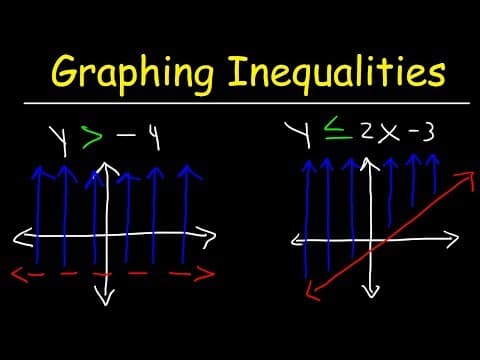
Mapping Out Math: Understanding Linear Inequalities on a Graph

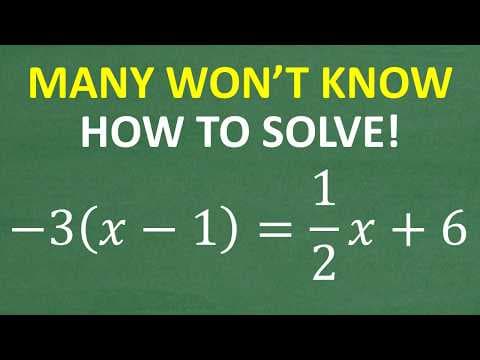
Mastering the Math Equation: Taking it One Step at a Time

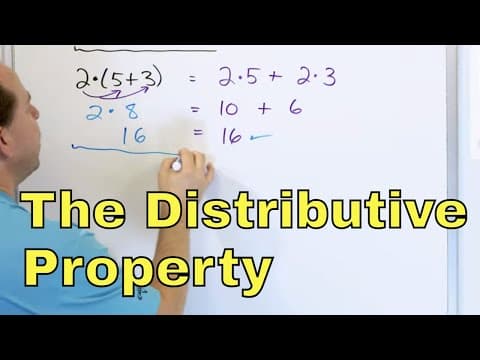
Making Math Make Sense: Understanding the Distributive Property
