More Than Just Bread: Understanding the Magic of Fermentation
Fermentation is the ancient secret to preserving food and boosting your gut health—a skill that complements your sourdough journey perfectly.

Now, listen up, mates. You’re already doing the hardest part of baking—you’re coaxing wild yeast to life in your starter, letting that beautiful, slow process of fermentation do its magic. But the knowledge of fermentation doesn't stop at the loaf, eh? It’s a whole way of life, one of the oldest, cheapest, and healthiest ways to preserve food.
When we talk about fermentation, we’re talking about good microbes doing their job. It's a natural process that doesn't need expensive equipment or fancy ingredients—just a bit of salt, water, and time. It's why your gut health is important, and why understanding this process can make you a better baker, a better cook, and generally, a healthier human being.
Fermentation vs. Pickling: Know the Difference, Mate
Before you start tossing veggies in a jar, you need to know the difference between *pickling* and *fermenting*. They sound similar, but they are two completely separate processes. Getting this wrong is like trying to build a loaf with a dodgy starter—it just won't rise right.
Pickling: When you pickle, you are adding an acid, usually vinegar. This acid stops any microbes from growing. It’s a quick, shelf-stable process, perfect for bulk preservation.
Fermenting: When you ferment, you are *encouraging* the good microbes already present in the vegetables. These good guys then get busy fighting off the bad ones. This is a living process, creating those incredible, tangy, soury notes, and the nutrient boost you’re looking for.
This distinction is crucial because the good bacteria at work during proper fermentation are what create those natural, beneficial probiotics. These aren't the fancy pills you buy at the chemist; these are trillions of living probiotics with every bite of your homemade sauerkraut or kimchi.
This process is even better for your nutritional intake, too. When you cook food, heat often destroys sensitive vitamins, especially Vitamin C. But through the natural work of the microbes in fermentation, those vitamins actually increase. It’s a genuine nutritional superpower!
The Basics of a Fermenting Jar
The beauty of fermentation is how simple it is. You don't need anything fancy. You need a mason jar, your chosen vegetable (cucumbers, cabbage, carrots, you name it), and salt and water. That’s it. This is the kind of knowledge that makes you feel like a proper master of your own kitchen.
When you start, remember these few key steps:
- Prep: Use fresh, raw vegetables.
- Brine: Create a simple saltwater brine (just salt and water).
- Submerge: Pack the vegetables into your jar and cover them completely with the brine.
- Burp: This is the most important step for safety! As the microbes get to work, they create gas. You must 'burp' the jar daily—open it and let the gases escape—so that the pressure doesn't build up and make a mess.
Because you are dealing with living cultures, it's best to do this in small batches. You don't want a massive pile of jars needing monitoring. Focus on one jar, watch it work, and enjoy the slow, rewarding process. It’s a rhythm that mirrors the patience needed when tending a sourdough starter, isn't it?
The techniques we use to build a perfect loaf—the timing of the proofing, the strength of the starter, the temperature control—are all governed by living cultures. Learning about fermentation simply deepens your understanding of the magnificent, microscopic world that makes your bread rise in the first place. It’s a skill that goes from the loaf to the larder, giving you more knowledge and more good health with every single bite.
Ready to take your baking knowledge into the preservation pantry? For a deep dive into the foundational techniques that make every loaf a success, we recommend joining the 30-Day Sourdough Challenge on RogueBakers.com. It’s the perfect way to master the whole cycle, from starter to scoring, and set yourself up for success with the Bread Angels community!
Frequently Asked Questions
Loading comments...
Related Posts
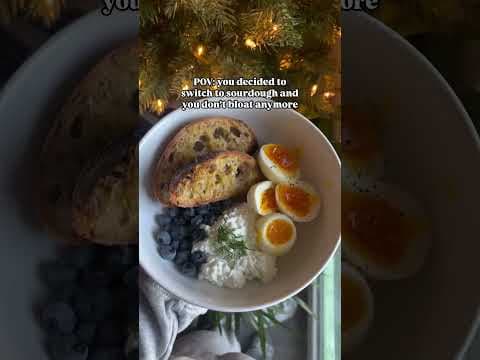
Ditch the 'Fake Stuff': Why Sourdough Might Just Love You Back

Beyond the Loaf: How Simple Flavours Elevate Everything (Even Your Starter Feeding)

From Crust to Crumb: Seeing How Everyday Baking Connects to Everything Else
