
More Than Just Butter: Lessons in Craft from a Butter Press
Sometimes the best baking lessons come from unexpected places. We found a fascinating connection between historic butter pressing and the care we put into our sourdough – it's all about precision and understanding your ingredients.

G’day, Rogue Bakers! Sometimes, the best lessons in baking aren’t found in a recipe book, but in unexpected places. I stumbled across a video from Fort Edmonton Park showcasing a butter press, and it got me thinking – there’s a surprising amount of overlap between pressing butter and, say, shaping a loaf of sourdough.
Now, I know what you’re thinking: “Butter? What’s that got to do with my starter?” Stick with me. Both processes are about taking a raw ingredient and, through careful manipulation and understanding of its properties, transforming it into something more refined, something with a shape and a purpose.
The video shows how the butter is pressed into a mold, creating a neat, patterned square. Think about that for a moment. The person using the press isn't just squishing butter – they're understanding how pressure, the shape of the mold, and the consistency of the butter interact to achieve a specific result.
The Parallel with Sourdough Shaping
We do something similar when we shape our sourdough. We’re not just slapping dough around; we're applying pressure strategically to build strength, create surface tension, and ultimately, guide the loaf into a beautiful form that will bake evenly and give us that gorgeous rise. Just like the butter press, our hands are the tools, and our understanding of the dough – its hydration, its gluten development – is the key.
Bread Angels like Sarah Phillips (check out her Sourdough 101 course on HolySourdough) often emphasize this point. It's not enough to just follow a recipe; you need to *feel* the dough, understand how it responds to your touch, and adjust your technique accordingly. A bit like figuring out the right pressure to apply to the butter to get a clean, crisp square – too much or too little, and you’ll end up with a mess.
Beyond the Shape: The Science of Consistency
The butter press also highlights the importance of consistency. The mold’s design, the pressure applied, and the temperature of the butter all play a role in the final product. Similarly, in sourdough, consistency in your starter, your hydration, and your proofing environment are crucial for predictable results. A slight change in any of these factors can drastically alter the outcome.
Think about your levain – it needs to be properly ripe, with the right balance of wild yeast and bacteria. If it’s too weak, your dough won’t rise properly. If it’s too strong, you risk over-fermentation and a flat, sour loaf. Just like the butter press needs consistent pressure, your dough needs consistent conditions to thrive.
Applying It to Your Baking
- Observe: Pay attention to how your dough feels at each stage of the process. Is it tight? Slack? Elastic?
- Experiment: Try slightly different shaping techniques. See how they affect the crumb and crust.
- Understand: Read up on the science of gluten development and fermentation (SourdoughMadeEasy.com has some great resources to get you started!).
- Reflect: What did you learn from your last bake? What would you do differently next time?
There’s a beauty in understanding the principles behind the craft, in seeing the connections between seemingly disparate processes. The butter press at Fort Edmonton Park reminded me that baking, like any craft, is about more than just following instructions – it’s about observation, experimentation, and a deep appreciation for the ingredients we work with. And, as Outback Jack would say, “A bit of thinking’ll take you further than a lot of flour.”
Want to push your sourdough skills even further? Join the 30-Day Sourdough Challenge and level up your baking game!
Frequently Asked Questions
Loading comments...
Related Posts
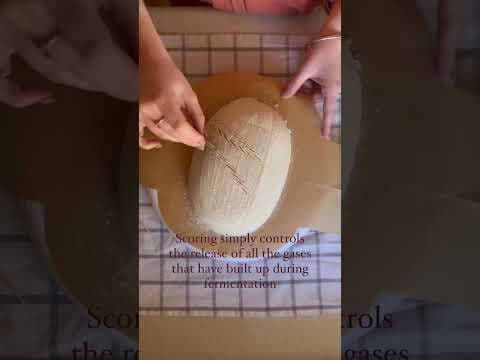
Scoring Sourdough: More Than Just a Pretty Face

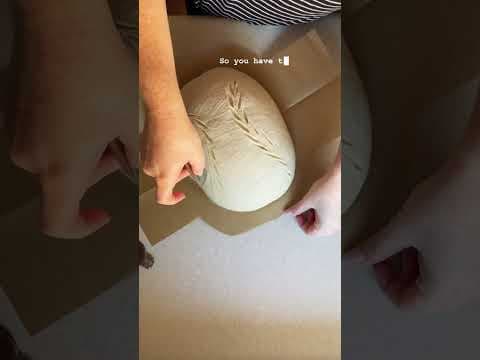
Scoring Sourdough: It's Not Just About the Pretty Patterns

Feel Your Dough: Why Gentle Handling Matters in Sourdough
