Open Baking: Letting Your Sourdough Really *Cook* (and Why That Matters)
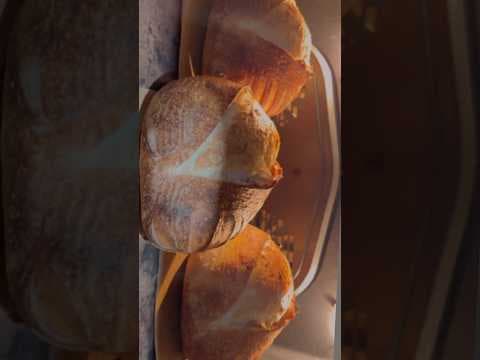
Ever watched your sourdough bake and felt like it just wasn't quite *there*? This post dives into the power of letting your loaf cook through, inspired by a recent video showing the beauty of 'letting her cook'.

G’day, Rogue Bakers! Sometimes, the best lessons come from watching. I was just looking at a video the other day – a fella baking in an open setup, letting that heat really penetrate the loaf. It was a simple thing, but it sparked a whole heap of thinking about how often we rush the baking process. You know, that feeling when you’re pulling a loaf out and the crust looks gorgeous, but the crumb's still a bit pale, a bit…underdone? That’s what we’re tackling today.
The video I’m referring to is right here:
See that? That's what happens when you really let a loaf cook. There’s a beauty to it, a depth of color and flavor that you just can’t get by pulling it out too early. Too much cake out, B! As the baker said. It's about understanding that baking sourdough isn’t just about following a recipe; it’s about observing and reacting to what's happening in your oven.
Why 'Letting Her Cook' Matters
Think about it: sourdough baking is all about harnessing wild yeast and bacteria. They're working hard, developing flavor and structure. But to truly unlock that potential, you need heat. Consistent, penetrating heat. When you pull a loaf out too early, you’re short-circuiting that process. You're stopping the starches from fully gelatinizing, the crust from deepening its color, and the crumb from achieving that perfect, airy texture.
This isn't about chasing a dark, almost burnt loaf, mind you. It’s about allowing the heat to do its job thoroughly. It’s about allowing the moisture to evaporate properly, creating that crisp, satisfying crust. Bread Angels like Elain Shephard consistently talk about the importance of understanding your oven’s quirks - and this is a big one!
Signs You're Not Letting It Cook Enough
- Pale Crumb: If the inside of your loaf is still quite light in color, it likely needs more time in the oven.
- Gummy Texture: A sticky, gummy crumb is a telltale sign of underbaking.
- Crust Lacks Depth: A pale, thin crust isn’t developing the complex flavors it should.
- Audible “Slosh”: When you tap the bottom of the loaf, you hear a hollow sound – that’s moisture still evaporating.
How to 'Let Her Cook'
- Hot Oven: Start with a properly preheated oven. We’re talking 500°F (260°C) or higher for a good steam burst initially.
- Extended Baking Time: Don't be afraid to bake your loaves longer than the recipe suggests. Every oven is different.
- Reduce Steam: After the initial steam phase, vent the oven to allow the crust to dry and darken.
- Hot Oven Tracker: Use a hot oven tracker! It's a simple device that can tell you when your oven is actually at the temperature you think it is.
- Halo Rating: Pay attention to your loaf's halo rating. A well-baked loaf should have a rich, even color around the edge.
Guild Masters like Kevin Wolf are always emphasizing the importance of observation. This isn't about rigid rules; it's about understanding the science and adapting your technique based on what you see. It’s a journey, not a destination.
Beyond the Basics
This technique is especially crucial when working with higher hydration doughs. More water means more moisture to evaporate, and more time needed in the oven. Don’t be afraid to experiment and find what works best for *your* setup. It’s about feeling comfortable letting that heat do its work.
Now, go forth and bake! And don't be scared to let that loaf really *cook*.
Frequently Asked Questions
Loading comments...
Related Posts
Hot Oven Magic: Understanding Your Bake Zone

Global Bread, Local Love: A Look at Chef Seba's Finishing Touches

Quiet Growth in the Bakery: Why Subtle Changes Matter
