
Patience, Mate: Why Rushing Sourdough is a Road to Nowhere
Ever feel like your sourdough's just...off? It might not be a recipe issue, but a patience issue. Let's talk about respecting the fermentation process and why slowing down is often the key to a beautiful loaf.

G’day, Rogue Bakers! It’s easy to get caught up in the excitement of sourdough. You’ve got your starter bubbling, the dough’s looking promising, and you're eager to get that first glorious loaf in the oven. But sometimes, the eagerness can lead to rushing things – and that rarely ends well.
I’ve seen it countless times, folks pushing their dough when it’s just not ready, skipping bulk fermentation stages, or trying to bake before the crumb has properly developed. It’s like trying to get a kangaroo to do the foxtrot – it ain’t gonna happen!
The core of sourdough baking is understanding fermentation. Wild yeast and bacteria are at work, and they operate on their own schedule, dictated by temperature, hydration, and the health of your starter. You can’t strong-arm them.
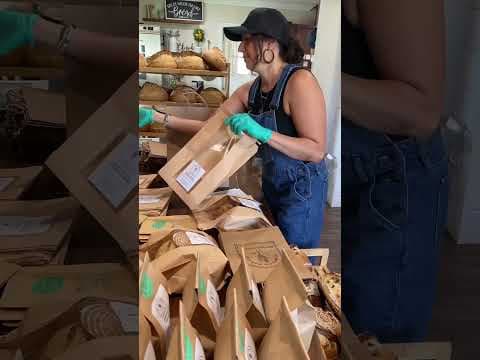
That little snippet of video – our mate in Tampa – really hits the nail on the head. “Take it easy. Easy does it. Baby, I don't want to rush it.” That’s the mantra we need to embrace. What does that look like in practice?
Slowing Down: Practical Tips
- Starter Readiness: Don’t just look for bubbles. Look for a predictable rise and fall, a light and airy texture, and a pleasant aroma. If your starter's sluggish, don't force it. Feed it regularly and let it gain strength. Bread Angels like @[HolySourdough Profile Link Placeholder] are fantastic resources for troubleshooting starter issues.
- Bulk Fermentation: This is where the magic happens! Resist the urge to fold every hour. Observe your dough. Is it increasing in volume? Is it showing signs of strength? A good bulk ferment can take anywhere from 3-6 hours (or longer, depending on your environment).
- Proofing: Don't judge proofing solely on visual cues. A gentle poke test can be helpful (a slow return indicates readiness), but ultimately, trust the time. Cold proofing in the fridge is a great way to slow things down and develop flavour.
- Scoring: Rushing the scoring process can lead to uneven expansion and a less-than-perfect loaf. Take your time, ensure a sharp blade, and practice your cuts. A clean score allows for controlled expansion.
Think of it this way: sourdough baking isn't about speed; it's about respecting the process. It's about creating an environment where those wild yeasts and bacteria can thrive and work their magic. Guild Masters, like many in our community, can offer personalized guidance to help you fine-tune your timing and techniques.
Outback Jack always says, “Patience is a baker’s best friend.” It’s a simple truth that separates the good loaves from the rushed ones.
Want to level up your sourdough skills and truly understand the nuances of fermentation? Consider joining the 30-Day Sourdough Challenge. We’ll break down every step, help you troubleshoot issues, and build a solid foundation for delicious, artisan bread.
Frequently Asked Questions
Loading comments...
Related Posts

Oven Spring Secrets: Why Restaurants Nail It and We Sometimes Don't

Quiet Growth in the Bakery: Why Subtle Changes Matter


The Unexpected Ingredient: Patience (and a Willing Husband)
