Rhythm & Resonance: Choreography as a Memory Aid
Ever notice how easily you remember a song's lyrics, even years later? That's the power of rhythm and movement working together. This week, we're unpacking how incorporating choreography can be a powerful tool for memorization and learning, particularly within a musical context.

We often talk about music as a teaching technology – a far more efficient delivery system than prose alone. Why? Because rhythm and melody imprint themselves on our minds in ways that words alone simply can't. It’s not just about *hearing* information; it's about experiencing it, and movement is a vital part of that experience.
Think back to your childhood. What do you remember more vividly – a lecture on history, or a catchy song with a simple dance? Chances are, it's the song. The combination of auditory and kinesthetic learning creates a deeper, more lasting impression.
The Rogue Musicians movement isn't just about learning to play an instrument; it's about harnessing the inherent power of music to learn *anything*. From Articles of Faith to foundational concepts in mathematics, setting information to rhythm and incorporating physical movement can transform passive listening into active engagement and retention. We’ve seen it work wonders in our Rogue Schoolers music classes, and it's a principle we want every musician to understand and apply.
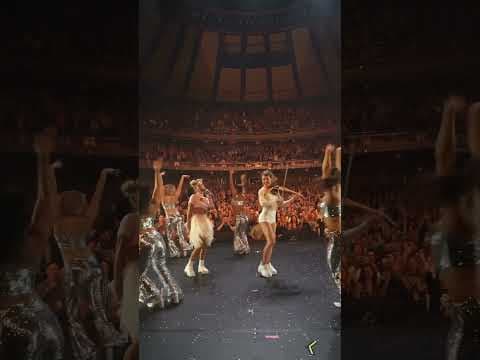
The recent video showcasing our team teaching Orlando some choreography beautifully illustrates this point. It’s not about becoming a professional dancer; it’s about leveraging movement to solidify the information being conveyed through the music. The physical actions act as anchors, creating multiple pathways to recall.
Consider the lyrics: “really made now baby I'm all right without your love I'm more than satisfied with you my love.” Imagine pairing those lines with specific arm movements or a simple step sequence. Suddenly, the song isn't just something you hear; it's something you do. That 'doing' reinforces the message in a way that simply listening never could.
This principle extends far beyond popular music. Think about hymns – the Iron Rod hymns, for example. While beautiful and spiritually uplifting, they can be even more powerful when combined with choreographed movements appropriate for different ages and skill levels. Even basic rhythmic clapping patterns can be surprisingly effective.
Here are a few practical takeaways for Rogue Musicians:
- Start Small: Don't feel pressured to create elaborate routines. Even simple hand gestures or foot taps can make a difference.
- Incorporate Movement into Lessons: Whether you’re teaching guitar, piano, or vocal technique, find ways to integrate physical movement. A simple bounce to the beat, a gesture to represent a musical phrase – these small additions can have a big impact.
- Consider Choreography for Scripture Set to Music: This is a particularly powerful application for memorizing scripture and deepening understanding.
- BYOK BYOStripe: Adapt and implement these strategies within your own teaching and learning environments. Experiment and see what works best for you and your students.
The Mighty Musician Kit and Stripling Musician programs are built around this very principle – recognizing that music is not merely entertainment, but a powerful tool for learning and growth. We encourage all Rogue Musicians to explore the possibilities and unlock the full potential of rhythm and resonance.
Let's continue the conversation! Share your experiences with incorporating movement into music learning in the comments below.
Frequently Asked Questions
Loading comments...
Related Posts
The Choreography of Resilience: How Rhythm Imprints Truth

The Peekaboo Principle: Why Even the Silliest Songs Stick

The Rhythm of Learning: Why Even Toddler Songs Matter