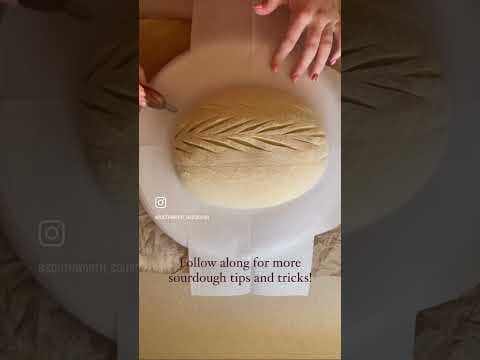
Scoring Sourdough: More Than Just a Pretty Pattern
Want a better oven spring and a more beautiful loaf? Scoring isn't just for looks – it's a vital technique. Let's dive into the 'why' behind those cuts and how to get them right.

G’day, Rogue Bakers! Sometimes, when I’m wrestling with a stubborn dough, I find myself wishing I could just slip away and listen to a good tune. That’s what this video reminded me of – a little bit of soulful distraction. But enough about the lyrics; let’s talk about scoring sourdough. It's something that often gets treated as purely aesthetic, a way to add a bit of flourish to your loaf. But it's so much more than that, mate.
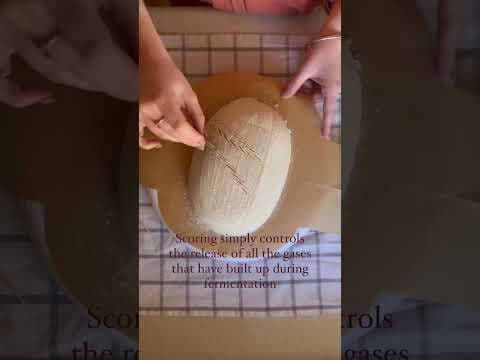
Scoring isn't just about making pretty patterns (though, let’s be honest, a nicely scored loaf *does* look fantastic). It’s about controlling the expansion of your bread in the oven. Think of it like this: your dough is full of pent-up energy, wild yeast working hard to create those lovely bubbles. When you put it in a hot oven, that energy needs a way to escape. Without a score, it’ll find its own, often unpredictable, path. That’s what causes those dramatic, uneven bursts you sometimes see – a ‘blowout’ as some folks call it.
Those blowouts aren't a sign of failure; they’re a sign that your dough is alive and kicking. But a well-placed score gives your bread a controlled release valve. It directs the expansion, leading to a more even rise, a better oven spring, and a prettier loaf. Bread Angels like Elara at HolySourdough often emphasize this point in their workshops – it's a core principle of artisan baking.
So, what are some things to keep in mind when scoring?
Scoring Basics
Here’s a breakdown of key points from the video and a few extra nuggets of wisdom to keep in mind:
- Sharpness is Key: A dull blade will tear the dough rather than cut it cleanly. Invest in a good lame or a *very* sharp razor blade. Dullness is a common culprit in uneven scores.
- Angle Matters: The angle at which you hold the lame affects the shape and depth of the score. Experiment to see what works best for your dough and desired look.
- Depth is Important: Too shallow, and the bread won’t expand properly. Too deep, and you risk a blowout, or the score collapsing. A good rule of thumb is to score about 1/4 to 1/3 of the way through the dough.
- Pattern Variety: The video showcases a few different scoring patterns, from simple slashes to more elaborate designs. Don’t be afraid to try new things!
- Dough Hydration: Wetter doughs can be trickier to score cleanly. You might need a sharper blade or adjust your scoring technique.
Troubleshooting Your Scores
Not getting the results you want? Here are a few common issues and how to address them:
- Blowouts: Could be a combination of factors – too deep a score, a weak gluten structure, or excessive oven spring.
- Uneven Expansion: Often a sign of inconsistent scoring depth or angle. Practice makes perfect.
- Crumb Tears: Could be a dull blade or too much tension in the dough.
Remember, scoring is a skill that takes practice. Don't be discouraged if your first few attempts aren't perfect. Guild Masters, like Finnigan, are always happy to help you troubleshoot – find a local Guild Master to guide you through the process. They can often spot issues you might not see yourself.
Ultimately, scoring is about understanding your dough and how it behaves. Pay attention to how different scoring techniques affect your loaves, and you'll be well on your way to creating beautiful and delicious sourdough bread.
Frequently Asked Questions
Loading comments...
Related Posts
Scoring Sourdough: More Than Just a Pretty Face

Feel Your Dough: Why Gentle Handling Matters in Sourdough

Scoring Sourdough: More Than Just a Pretty Face (It's About the Bread!)