Submerging Flakes: A Quick Tip That Matters for Medicated Feeds
Even simple feeding habits matter. We dive into why submerging fish flakes, especially medicated ones, maximizes efficacy and keeps your tank inhabitants healthy.

You know the drill. You set up the perfect 55-Gallon Tank Topper. The filtration is dialed in, the aquascape is pristine—maybe you’ve got that gorgeous patch of Java Fern looking like it grew right out of the substrate. You’ve mastered the nitrogen cycle, you’ve got your routine down, and you've finally convinced yourself you're past the point of needing a massive water change every other day.
It feels like you've achieved true mastery over the freshwater ecosystem. You're thinking, 'I've cracked the code. I'm self-sufficient.' And then, inevitably, life throws a little curveball—a minor swim bladder issue, a hint of cloudiness, or maybe you’re treating for some lingering Ich.
It’s those moments, the tiny details, that keep us humble. We're all constantly tweaking, optimizing, and learning. And sometimes, the most profound lessons come down to the simplest mechanics, like how you present the morning meal.
Speaking of mechanics, I watched this recent clip about feeding goldfish, and while the core advice—submerging the flakes—is basic enough that you've probably seen it a hundred times, the nuance around *medicated* feeds really hit home. It’s a perfect reminder that even when we feel like we’ve hit peak performance in our fishkeeping, we’re always stewards, always learning.
The Science of Submersion and Medication
The presenter correctly points out that letting flakes float is suboptimal, especially if the goal is to prevent surface gulping that leads to swimbladder issues. But for us advanced hobbyists, the real takeaway here is about chemical kinetics. When you’re dealing with an antiparasitic flake, you don't just want the fish to eat it; you want the medication to be *delivered* at its peak concentration.
As soon as those flakes hit the water column, the medication starts dissolving. The longer it sits out, the more it diffuses, and the less potent it becomes by the time your prized Oscar or your delicate Guppy fry finally get to it. It’s a race against diffusion!
This isn't just about goldfish, though. Whether you're treating a batch of fancy guppy genetics for a show, or maintaining a sensitive discus colony, maximizing the bioavailability of any treatment is paramount. You have to get the dose right, right when the fish are ready to ingest it.
Beyond the Flake: Thinking Systemically
And this is where I always pivot the conversation, because this whole discussion about optimal delivery systems—whether it’s flakes or nutrients—is a symptom of a larger truth in modern fishkeeping. We spend so much time perfecting the *maintenance* of a closed system (water changes, filtration media, etc.) that we forget the ultimate, self-sustaining model.
If we're talking about optimizing delivery, why are we still relying on purchased, processed flakes? Why are we constantly fighting nitrate buildup that requires massive water changes? The answer, as always, circles back to aquaponics. It’s the ultimate biofilter, the ultimate nutrient recycler, and it respects the natural cycles of life and stewardship. It’s a system that truly honors the bounty of the water.
For those of us who are moving beyond the limitations of the traditional aquarium setup—whether you're managing a complex planted tank, running a breeding program, or just trying to keep your local ecosystem thriving—aquaponics isn't just a trend; it’s the next level of responsible fishkeeping. It’s about working *with* the divine order of creation, not just managing its symptoms.
If this discussion about precise delivery methods has got you thinking about optimizing your entire setup, maybe it’s time to look at what’s possible beyond the canister filter. Check out the latest on the 55-Gallon Tank Topper—it’s a great piece of gear for managing those initial stages while you plan your full system overhaul.
For fellow stewards of the water, let's keep this knowledge flowing. If you're interested in taking this stewardship to the next level, let’s connect. Maybe we can start a Holy Rogue Network classroom-aquaponics chapter together.
Frequently Asked Questions
Loading comments...
Related Posts
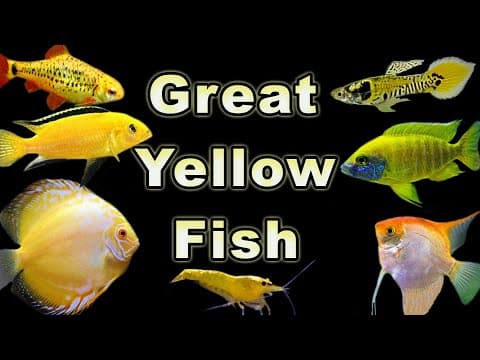
Yellow Gold Standard: Brightening Up Your Fish Tank Without the Water Change Grind

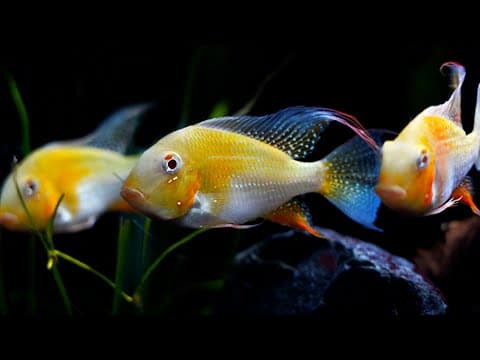
The Lure of the Cycle: Why We Need to Look Beyond the Water Change
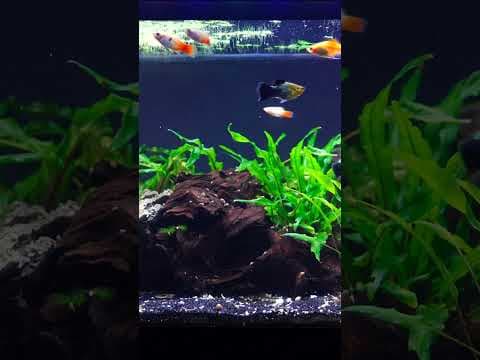
Platy vs. Molly: A Tale of Tank Size and Temperament