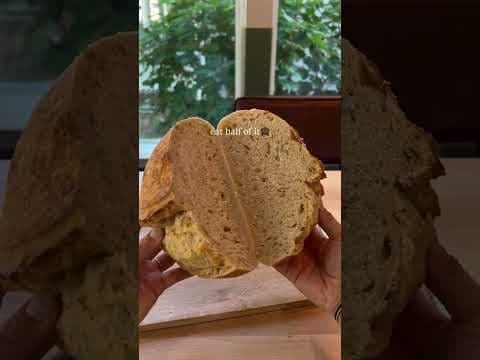
The Cool-Down Ritual: Why Mrs. Sourdough Does What She Does
Ever baked a beautiful sourdough loaf, only to feel a little uneasy about the next steps? Mrs. Sourdough shares her post-bake routine and explains *why* she handles her loaves the way she does – it's more than just cooling!

Right then, bakers. Let's be honest with ourselves – we’ve all been there. You pull that gorgeous, blistered loaf from the oven, heart poundin’ a bit, and then… you're not quite sure what to do next. Do you wrap it? Leave it uncovered? Chuck it straight in the bread box? It’s a moment of quiet panic, isn’t it?
I reckon even the Bread Angels – folks like Guild Master Daniel Hyatt – have had those moments. Because sourdough baking isn’t just about following a recipe; it’s about understanding the 'why' behind each step. And that cool-down period? It's a big part of it.
Mrs. Sourdough, over on her YouTube channel, gets right to the heart of this in her latest video. She’s showing us her immediate post-bake routine, and the reasons behind each action are gold. Give it a watch – it’ll settle your nerves and maybe even change the way you handle your loaves.
Why the Cooling Fuss?
So, what’s the deal with all the fussing around after the bake? Well, it’s all about moisture. A freshly baked loaf is practically steaming – that’s what gives it that lovely crust. But that moisture also needs to escape. Wrapping a hot loaf traps that steam, which can lead to a gummy crumb and a pale crust. Not what we’re after, eh?
Mrs. Sourdough demonstrates letting the loaf cool on a wire rack. This allows for maximum airflow and helps that steam escape. She also mentions the importance of *not* slicing the loaf while it's still hot. Trust me, that’s a lesson learned the hard way for many of us!
The Timing is Everything
She also touches on the timing of wrapping. Leaving it uncovered initially lets the crust set properly. After a decent cool down, wrapping helps to retain some of that moisture and prevents the crust from drying out too much. It's a delicate balance, and that's why experience matters.
Beyond the Basics: Reading Your Loaf
But the best bit? Mrs. Sourdough emphasises observing the loaf. Does it seem particularly moist? Does it have a thick, dark crust? Adjust your cooling and wrapping accordingly. There's a lot of intuition involved, something Outback Jack always encouraged us to develop – letting the bread tell you what it needs.
It's about understanding fermentation, hydration and how they all play out. If you’re struggling with crumb issues, revisit your starter’s health and your dough hydration. These little details can make a world of difference. Check out the classifieds on Sovereign.ink for a local Guild Master who can help you troubleshoot those issues.
Your Next Step
So next time you pull a loaf from the oven, take a moment. Observe. Don’t rush. And remember, even the most experienced bakers are constantly learning. It's a journey, not a destination, as they say.
Now, if you're keen to really dial in your sourdough skills and tackle some new challenges, why not join the 30-Day Sourdough Challenge? It’s a fantastic way to level up your baking and connect with a supportive community.
Frequently Asked Questions
Loading comments...
Related Posts
Global Bread, Local Love: A Look at Chef Seba's Finishing Touches

Quiet Growth in the Bakery: Why Subtle Changes Matter

Flat Loaf Got You Down? Let's Talk Shaping (Head, Shoulders, Knees, & Toes!)
