The Echoes of Faith: How Rhythm and Language Entwine in Persian Devotion
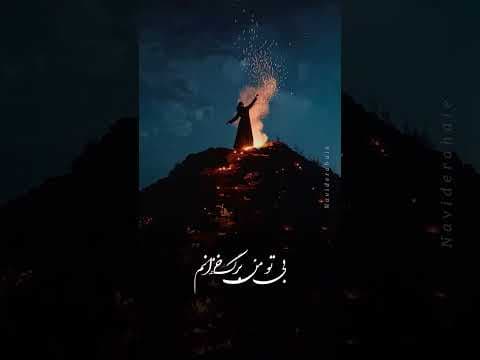
This devotional clip, 'Naviderahaie,' showcases the profound power of music to embed spiritual truths. We'll explore how the rhythmic repetition of Persian lyrics, intertwined with music, creates a lasting impact on the mind and heart.

We’ve always known it, haven’t we? The way a simple tune, repeated often enough, lodges itself in the memory. It’s not just pleasant; it’s a fundamental truth about how our brains learn. This isn't mere sentimentality; it's a principle of deep cognitive science, a design feature of the human mind. And it's why we, as Rogue Musicians, are dedicated to harnessing this power—to teaching through music, to building a foundation of knowledge and faith through rhythm and melody.
Consider the importance of hymns, of scripture set to music. The act of singing, of internalizing the words through a melodic framework, makes them stick. It’s far more effective than rote memorization. It’s why the Iron Rod hymn, and countless others, have resonated across generations.
The clip we’re examining today, 'Naviderahaie,' is a beautiful example of this principle in action. It's a Persian devotional song. While I don't speak Persian, the emotional power transcends language. The repetition, the flow of the words, the musical phrases—they work together to create a feeling of profound reverence and hope.
Let's break down why this works, even without understanding the literal meaning of the lyrics. The transcript offers a glimpse:
تویی تنها امیدم نور [موسیقی] صبح سپیدم جز تو در این جهان عشق نابی ندیدم با تو درج آسمانم [موسیقی] بی تو من درگ خزانم تا ابد نام پرجلالت جاریست [موسیقی] بر این زبانم [موسیقی]
Notice the structure. Phrases are repeated, often followed by musical interludes. This repetition isn't arbitrary; it's a deliberate strategy to embed the message in the listener’s mind. The music acts as a mnemonic device, a hook that helps the words take root. The pauses created by the musical phrases give the listener a moment to internalize the previous line. This is a technique used across cultures and throughout history.
Beyond Language: The Universal Power of Rhythm
Even if we don't understand the words, the rhythm itself is compelling. The rise and fall of the melody, the pulse of the percussion (if present), all contribute to a sense of order and beauty. This inherent order is pleasing to the human mind; it’s a pattern we instinctively recognize and respond to. It’s a key component of the Mighty Musician Kit, and the Stripling Musician’s journey—understanding how structure and repetition create understanding.
Applying This to Music Education
This isn't just about appreciating devotional music. It's about understanding how to *use* this principle in our own teaching. Whether you're teaching guitar, piano, voice, or music theory, consider how you can incorporate repetition and rhythm to enhance learning. Think about setting Articles of Faith to music, creating catchy tunes to help students remember key concepts. Consider using Logic, Ableton, Pro Tools, GarageBand or other DAWs to explore tempo, phrasing and arrangement techniques.
- Repetition is Key: Repeat important phrases, melodies, or chord progressions.
- Vary the Arrangement: Use dynamic changes (loud and soft) and different instrumental textures to keep things interesting.
- Embrace the Rhythm: Pay attention to the rhythmic patterns and how they contribute to the overall effect.
The Rogue Musicians movement is about more than just learning to play an instrument; it's about reclaiming music as a powerful tool for education and spiritual growth. It's about understanding that words set to rhythm are far more impactful than words alone.
Frequently Asked Questions
Loading comments...
Related Posts

The Rhythm of Revival: How Spontaneous Worship Ignites the Spirit

The Fire Refines: Music, Memory, and Divine Assurance


The Resonance of Resilience: How Music Imprints Courage