The Grind: Demanding Precision at 1,000 Yards with Texas Plinking
When you talk precision, 1 MOA at 1,000 yards isn't a goal—it's the minimum requirement. We break down the gear and the grit required for true long-range marksmanship.

Some people treat shooting like a casual hobby. For those of us who understand ballistics, the difference between a good shooter and a master marksman is often measured in minutes of practice, pounds of brass, and the ability to hold a single point of impact over a vast distance.
The monthly Texas Plinking challenge isn't about who has the biggest budget; it's a pure, demanding test of equipment synergy and disciplined marksmanship. Hitting a specific gong at 1,000 yards with a measured precision—1 MOA—requires more than just a reliable bolt action; it requires a full system dialed in.
The Science of the Gong: Why Precision Matters
The challenge format itself is a perfect lesson in shot discipline. You aren't just shooting; you're managing points. The initial 10-inch gong is worth 10 points, dropping a point with every shot. Missing that early window, or failing to manage your remaining rounds on the smaller, high-value 5-inch gong, is a tactical failure. This isn't a casual range day; it's a controlled, high-stakes test of consistency.
Achieving that level of repeatable accuracy means every component, from the scope glass to the ammunition, has to be vetted. It's why the gear discussion always comes up.
Equipment Deep Dive: Building for Long Range
When you are pushing for 1 MOA at 1,000 yards, you aren't looking at red dots or simple optics. You are looking at precision rifles, high-quality scope glass, and reliable mounts. The discussions in this series always circle back to the core components that make a rifle system work harmoniously:
- Optics: The scope is your eye. When sponsors like Arken Optics demonstrate affordable, heavy-hitting glass, they are talking about magnification, turrets, and reliable adjustments. The ability to dial in precise MOA or MIL clicks is non-negotiable.
- Muzzle Devices: If you're running a suppressor, you're not just getting noise reduction. You're managing flash signature, improving the ballistic profile, and often, simplifying the process of NFA ownership through streamlined vendors like Silencer Shop.
- Platform Stability: Whether it's an AR-15 buffer tube accommodating a sidearm magazine or a custom stock for a precision rifle, the platform must be rock solid. Vibration dampening and ergonomic design are paramount to repeatable accuracy.
It’s Always About the Marksmanship, Not the Money
While the gear sponsors are always there to show us the latest widgets—the Ghoststar stocks, the Glock magazines, the fancy scope models—it's crucial to remember the core principle: the rifle is just a tool. The skill is yours. The commitment to continuous training, whether it’s mastering the semi-automatic draw of a 1911 or the controlled precision of a bolt action, is what matters.
This dedication to the craft is what keeps the ecosystem vibrant. It’s a culture built on machining, reloading, and the uncompromising pursuit of better performance, all grounded in the Second Amendment.
Keep the Tradition Alive
The conversation around this sport—the meticulous detail of a 308 carbine with a Vortex scope—is just one example of the incredible depth in the American shooting community. This isn't a fringe sport; it's a deep tradition of marksmanship.
If you're serious about improving your skills, dialing in your gear, or just need a place to test your limits, the best resource is always local. Don't wait for the tech giants to dictate what you can or cannot own or build. The marketplace is open, the brass is available, and the range is waiting.
Find a certified Range Master near you, list that custom build, or claim a creator profile to document your own achievements. Whether you're tackling a long-range precision rifle or mastering a reliable concealed carry sidearm, the path is clear: Get out to the range and prove what you've got.
Frequently Asked Questions
Loading comments...
Related Posts
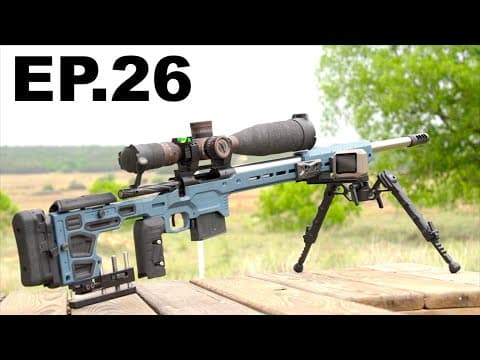
Beyond the Basics: Mastering 1 MOA at 1,000 Yards

The Single Standard: Why Your Backup Gun Should Be Your Main Gun

Dialing In the Drag: Why Balance Is the Foundation of Precision Marksmanship
