The Hand of Rescue: Agency, Covenant, and the Pentecostal Pattern
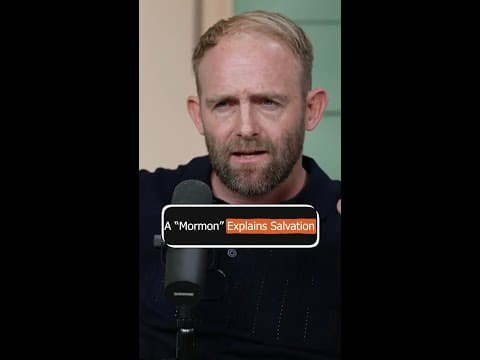
The common analogy of salvation as a car heading off a cliff falls short when it portrays a passive rescue. We are not merely objects of divine intervention; our repentance and covenantal acts actively invite Christ’s grace and establish a vital relationship.

The narrative of salvation, as we understand it as Latter-day Saints, isn't a passive observation of divine grace, but an active participation in a covenant relationship initiated by Christ’s merciful offer. The analogy of the car careening towards a cliff, while illustrative in some respects, can inadvertently diminish the crucial role of agency and the ordinances that open the door to redemption. While it’s true that we are all, through the Fall, hurtling towards a precipice of eternal consequence, the simple act of extending a hand isn't sufficient. It requires a reaching up, a deliberate choice to accept the offered rescue.
The prevalent Protestant view, as highlighted in the video, depicts a sovereign God who selectively plucks individuals from the path of destruction, leaving others to their fate. This notion, while emphasizing divine power, neglects the foundational Latter-day Saint doctrine of agency and the necessary preconditions for receiving grace. Ephesians 2:1 speaks of us being “dead in trespasses and sins,” but that does not negate the responsibility we bear to respond to the call of the gospel.
The Pentecostal account in Acts 2 provides a powerful counterpoint. It wasn't a silent, predetermined selection; it was a scene of profound conviction and immediate inquiry. When Peter preached, the people were “pricked in [their] heart,” and their response wasn’t passive acceptance but a fervent question: “Men and brethren, what shall we do?” (Acts 2:37). This is the crucial moment – the recognition of the need for action, the desire to align themselves with the will of the Lord.
Peter’s answer – “Repent and be baptized, every one of you, in the name of Jesus Christ, for the remission of sins, and you shall receive the gift of the Holy Ghost” (Acts 2:38) – isn’t merely a procedural step; it’s the very mechanism by which we take Christ’s hand. Repentance and baptism are covenantal acts, binding us to Christ and making us eligible to receive the blessings of the Holy Ghost through the authority of the priesthood. It is through these ordinances that we actively participate in our own salvation.
Furthermore, holding onto that hand – maintaining the covenant relationship – demands ongoing diligence and faithfulness. The journey doesn’t end with baptism; it’s a continual striving to follow Christ’s example, to keep His commandments, and to draw closer to Him. The Spirit, once received, is a constant guide, but its influence requires our willing cooperation and obedience.
Consider the teachings of the Brethren regarding covenants. President Brigham Young taught, “Covenants are not to be trifled with. They are to be kept and obeyed.” Keeping covenants is not a mere formality but a vital expression of our love for Christ and our commitment to eternal life. To understand salvation is to understand that it is not a gift passively received, but a partnership actively engaged.
Let us, therefore, examine our own hearts, ensuring that we are not merely waiting for a rescue, but actively reaching for the hand of Christ, striving to keep the covenants we have made, and holding fast to the iron rod that leads to the tree of life.
Frequently Asked Questions
Loading comments...
Related Posts

The Washing of Regeneration: Baptism, Covenant, and the Latter-day Saint Perspective

The Weight of Restoration: Love, Denial, and the Iron Rod's Promise

