The Science of the Hunt: Adapting to the Predator's Edge
The documentary on bull sharks reminds us that mastery of an environment requires supreme adaptability—a lesson critical to the hunter who must read every changing terrain.

The world of apex predators is brutal, and the deep dive into bull sharks reveals a fundamental truth about life: survival belongs to the adaptable. Whether we’re talking about a massive great white or a stocky bull shark migrating thousands of miles up the Mississippi or Amazon, the common thread is an unparalleled ability to thrive across radically different environments.
The National Geographic footage shows these creatures are opportunistic hunters, capable of moving from open ocean to shallow, unsuspecting coastal waters. They don't stick to one routine; they follow the flow, they read the current, and they capitalize on the moment. It's a raw lesson in fieldcraft that every Rogue Hunter needs to internalize.
When we talk about the hunt, we are dealing with something similar. We are studying the wild heart of the land—the deep, complex rhythms of the deer rut, the predictable paths of the elk migration, or the secretive movements of the mountain lion. These animals, too, are masters of adaptation. They don't wait for us to give them up; they are constantly adjusting their behavior, their routes, and their defenses.
The Hunter's Adaptability: Reading the Flow
The greatest piece of equipment a hunter carries isn't a scope or a rifle; it's the ability to adapt. Just like the bull shark, which moves seamlessly from saltwater to freshwater, the skilled hunter must be able to transition their mindset and techniques. One day you might be tracking bighorn sheep high in the alpine country, using traditional bow methods, and the next you might be deep in a river bottom, glassing for mule deer in shallow marshland.
True proficiency means understanding that the habitat is always changing. It means knowing that the game, like the predator, is opportunistic. They will utilize every hole, every thicket, and every shadow to stay hidden. This knowledge—the ability to read the land and predict the animal's next move—is what separates the casual tag-holder from the Certified Rogue Hunter.
The hunt, at its core, is a form of dominion. It is a demanding, honest process that requires the same grit and preparation that facing Goliath requires. It’s about providing, about the father-son bond, and about knowing you can provide a meal for your family when you get home.
The lessons from the water are clear: success isn't about brute force; it's about observation, patience, and the willingness to follow the flow, whether that flow is a river current or a changing wind.
From the Wilderness to the Dinner Table
This commitment to skill and knowledge is what makes the guided hunt so invaluable. Whether you are a seasoned Hunter Angel looking to sharpen your long-range optics skills, or a young Stripling Hunter learning the fundamentals of field dressing and pack out, the outfitter guides the education.
Outfitters like Josh Austin and Lone Canyon Outfitters don't just give you a tag; they give you the fieldcraft. They teach you the history of the pursuit, the respect for the animal, and the responsibility of the take. They help you understand that the hunt is a preparation—a necessary, demanding way of life that prepares you for everything else.
The mastery of the open land, whether it’s the mountains of Wyoming or the rich woods of the Midwest, is the ultimate preparation. It is where we learn to be self-sufficient, where we learn the value of the blade, and where we gather the strength and knowledge needed to provide. If you want to learn how to truly read the land and become proficient in the art of the fair chase, check out the upcoming Bookcliffs trips with the Founding Guide, Josh Austin. They offer everything from youth education to advanced techniques for the experienced Rogue Hunter.
Loading comments...
Related Posts
The Hunt Plan That Survives First Contact: Adaptability in Elk Hunting

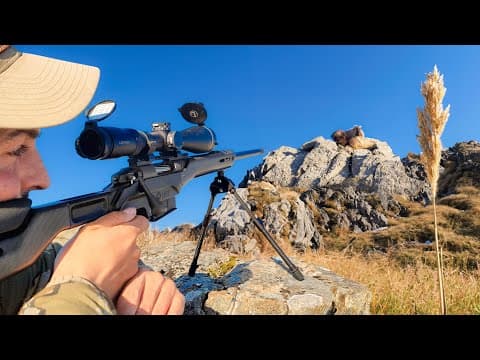
New Country, New Challenges: Scouting and Adaptation in the Wild

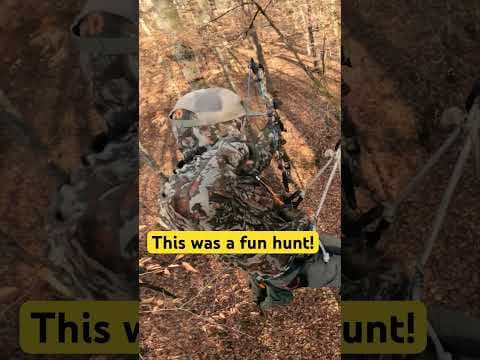
Reading the Script: A Quick Kill at 25 Yards
