
The Suffering God and the Immutability of Truth
A Protestant scholar unwittingly stumbles upon a truth Latter-day Saints have long held: God experiences and is affected by the actions of His children. This challenges centuries of theological tradition, but aligns beautifully with scripture and the Restoration’s understanding of divine attributes.

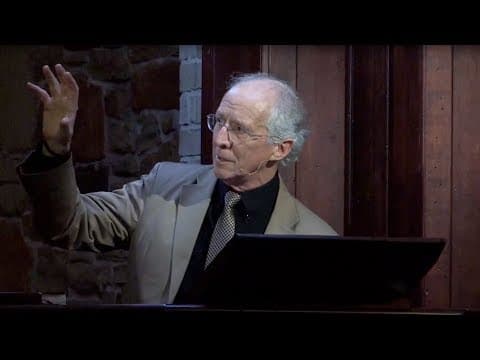
The echo of Isaiah’s lament – “And grieved also was his Holy Spirit” (Isaiah 63:15) – has resonated through the ages, often met with theological resistance. It’s a truth that cuts across denominational lines, as evidenced in the recent exchange captured in the video below. A seemingly simple discussion about the nature of God quickly unravels a centuries-old philosophical construct: divine impassibility.
The concept, championed by classical theism, posits that God, being perfect, cannot experience suffering, pain, or change. To do so would compromise His perfection and, by extension, His omnipotence. But what if the scriptures themselves, diligently studied and prayerfully considered, suggest otherwise?
The video highlights the tension between this traditional view and the reality presented in scripture. The speaker's initial discomfort – his reluctant admission that “you can hurt God” – is a testament to the deeply ingrained nature of this theological framework. Yet, the logic is inescapable. If God’s Spirit can be grieved, and grief implies pain, then God is, in a very real sense, susceptible to suffering.
This isn’t a rejection of God’s sovereignty, but a deeper understanding of His nature. As Latter-day Saints, we understand the Godhead to be composed of three distinct, yet unified, beings: Father, Son, and Holy Ghost. The suffering borne by the Son in Gethsemane, as described in the Book of Mormon (3 Nephi 27:14), is a profound example of divine suffering. To deny this is to diminish the Atonement itself.
The doctrine of the Restoration clarifies that God, in His fullness, did once dwell among us (Moses 7:47). He is not a distant, immutable being, but a loving Father who actively participates in the lives of His children. This participation necessitates the capacity for feeling, for experiencing the consequences of our choices. To believe otherwise is to construct a God in our own image, rather than seeking to understand the God who reveals Himself through scripture and prophetic counsel.
The Brethren have consistently emphasized the importance of understanding God’s attributes. Elder Bednar, in his address “Bear with Meekness and Patience All Trials, and Tribulations,” spoke of the profound personal transformation that comes from enduring trials and feeling compassion for others. This empathy, this capacity for feeling, is a divine attribute reflected in the Godhead.
Consider also the covenants we make in the temple. These covenants bind us to God in a way that demands reciprocal feeling. We promise to keep His commandments, and He promises to bless us. These promises are not empty words; they are expressions of a relationship built on love and mutual suffering and joy.
The challenge before us, then, is to confront our preconceived notions and embrace the fullness of the gospel message. To acknowledge that God, in His divine love, is capable of feeling, of suffering, and of rejoicing with us in our triumphs. This understanding refines our testimony and strengthens our resolve to follow the path laid out before us.
Let us strive to deepen our understanding of these profound truths, seeking guidance through scripture study, prayer, and the counsel of the prophets.
Frequently Asked Questions
Loading comments...
Related Posts

The Father's Primacy: Understanding Procession and Latter-day Saint Theology

The Absolute Ground: Meditating on 'I AM' and the Nature of God


Beyond Ex Nihilo: Reconciling Divine Nature, Time, and Agency
