The Water Change Grind: Escaping the Cycle with Aquaponics
We've all been there: staring down a massive water change, feeling the soul drain a little more with each bucket. But what if there was a better way? This aquascaping video sparked a thought about ditching the endless water changes and embracing a more sustainable solution.

You know it, I know it, everybody knows it: the water change. That recurring appointment with drudgery that hangs over every dedicated fishkeeper’s head. It's the price of admission to the hobby, isn't it? We all start out bright-eyed, picturing serene, self-sustaining ecosystems, only to be confronted with the reality of nitrates and the endless cycle of dilution. And let's be honest, sometimes it’s more than just a chore; it’s a subtle erosion of your free time, a nagging reminder that your carefully curated underwater world is fundamentally reliant on your intervention.
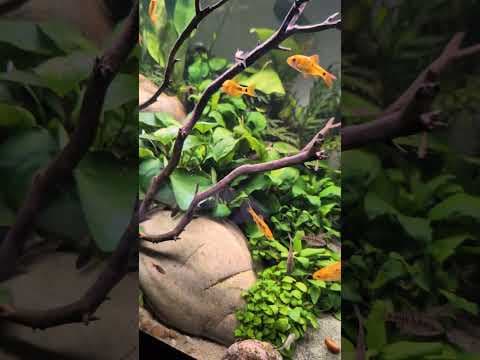
I watched SimplyAquascaping's latest video the other day, and while the aquascaping itself was stunning – as always – it got me thinking. He's meticulously adjusting his layout, tweaking the flow, and striving for that perfect aesthetic balance. But behind every beautiful aquascape is the same fundamental challenge: maintaining water quality. And that, my friends, is where the water change grind comes in.
He’s got a gorgeous setup, no doubt, but every tank, no matter how well-planted, eventually produces nitrates. It's an inescapable truth. He’s using 2hr Aquarist fertilizer, which is a good move for plant health – healthy plants mean better nutrient uptake – but it doesn't eliminate the need for water changes entirely. It just pushes the problem down the road a little.
That’s why I’ve been increasingly drawn to aquaponics. It's not a new concept, of course, but the potential for integrating it into our existing setups is really exciting. Think about it: a self-sustaining system where fish waste feeds plants, and plants filter the water for the fish. Less water changes, more synergy. It’s a paradigm shift from the reactive maintenance we're so used to.
Now, I'm not suggesting we all tear down our tanks and start building elaborate aquaponic systems tomorrow. But even small steps – adding more robust plants, experimenting with different filtration methods, and exploring the possibility of a small, integrated grow bed – can significantly reduce the burden of water changes. Imagine a setup where your 55-Gallon Tank Topper isn't just a beautiful display but a vital part of a closed-loop system.
For those of us with larger setups, particularly those of us keeping demanding species like Oscars, Discus, or even Koi, the benefits are even more compelling. The sheer volume of water involved in those water changes is a serious time commitment, not to mention a significant drain on resources. Aquaponics offers a path toward a more sustainable and rewarding fishkeeping experience.
And it’s not just about efficiency; it’s about stewardship. We’re entrusted with these incredible creatures, and it’s our responsibility to provide them with the best possible environment. Aquaponics aligns with that ethos – it's a way of working *with* nature, rather than constantly fighting against it. It's a return to a more holistic and sustainable approach to fishkeeping, one that honors the interconnectedness of life.
Whether you're a seasoned breeder meticulously tracking Fancy Guppy genetics (Utah Fancy Guppy Associates would be proud!) or a dedicated aquascaper striving for Iwagumi perfection, the principles of sustainability and resourcefulness apply. Let's move beyond the endless water change cycle and embrace a future where our tanks are truly thriving ecosystems.
What are your thoughts on aquaponics? Have you experimented with integrating plants into your fishkeeping? Let’s discuss it in the comments!
Next Steps:
- Check out my Tank Tour to see my current setup.
- Considering a Tank Topper? Learn more here.
- Find a Holy Rogue Network classroom-aquaponics chapter near you!
Frequently Asked Questions
Loading comments...
Related Posts
Beyond the Water Change: Finding Peace in Aquaponics


Sacramento, Streetlights, and the Sweet Relief of Aquaponics


Starfish and the Water Change Blues: Finding Freedom in Aquaponics
