Underwater Morse: A Rogue Radio Deep Dive
Need to communicate with a diver 50 feet below? Jason Cardell's SeaPerch project demonstrates a surprisingly simple and inexpensive solution: Morse code. This isn't just a neat project; it's a lesson in resilient communication.

The Sovereign.ink network thrives on finding solutions – often unexpected ones – for scenarios where established systems fail. We’re talking about off-grid power, EMP-resilient comms, and building a robust, decentralized broadcasting infrastructure. But sometimes, the best solutions are the simplest, and Jason Cardell’s SeaPerch underwater communication project is a perfect example of that.
Imagine the situation: a diver facing a problem at depth – low oxygen, tangled gear. A lifeline is needed, and quickly. Existing underwater communication devices are often expensive and tethered, limiting mobility. Jason’s project tackled this challenge with ingenuity and a nod to a classic communication method.
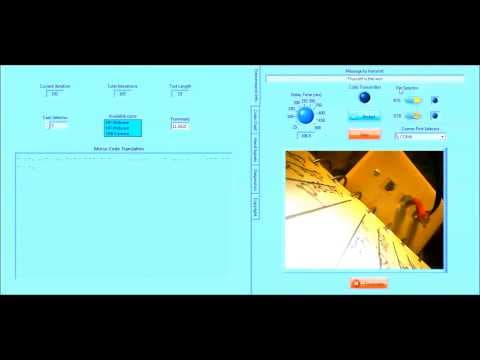
The core of the system? Morse code. Yes, that seemingly archaic method of dot-and-dash signaling. While it requires some training to interpret, its simplicity is its strength. It minimizes complexity and reliance on fragile electronics. The project uses a Labview-based GUI to translate text input into Morse code, transmitted to the SeaPerch ROV. A camera then relays the diver’s hand signals back to the surface operator, effectively creating a two-way communication link.
This isn’t just about underwater ROVs. Consider the broader implications. In a disaster scenario, when digital infrastructure is compromised, a return to simpler, more resilient communication methods becomes critical. Morse code, transmitted via shortwave or even CB radio (with appropriate antennas and power), could be a vital tool for coordinating relief efforts or simply staying in touch with loved ones.
Why Morse Code Still Matters
We’re not suggesting everyone learn to tap out SOS. However, appreciating the principles behind Morse code – its robustness, low bandwidth requirements, and ability to be transmitted with minimal equipment – is valuable for anyone interested in alternative communications.
Key Takeaways for the Rogue Radio Community
- Simplicity is Resilience: Complex systems are prone to failure. Jason's project proves that a basic, well-understood method can be surprisingly effective.
- Low-Tech Solutions: Don’t dismiss older technologies. They often offer advantages in harsh environments or when infrastructure is limited. Think CB radio, shortwave, and even GMRS for local communication.
- Adaptability: The SeaPerch project demonstrates how existing technologies (like endoscopes and readily available components) can be creatively repurposed.
- Hands-on Learning: This project is a great example of a build-it-yourself approach. Consider replicating it as a learning exercise, or adapting the principles to other communication challenges.
This project isn't just a technical demonstration; it’s a mindset. It's about embracing ingenuity, resourcefulness, and a willingness to explore unconventional solutions. It's about being prepared, not just for the comfortable normalcy of everyday life, but for the unexpected challenges that lie ahead. For those interested in diving deeper (pun intended!), check out the BYU SeaPerch website for more information and project resources.
Consider this a challenge: what other seemingly outdated communication methods could be adapted for use in an off-grid or emergency scenario? Share your thoughts in the comments below!
Frequently Asked Questions
Loading comments...
Related Posts
The Stone Coalition Podcast: Reclaiming Kingdom Understanding


The Podcast Revolution: How Unfiltered Voices Are Reshaping Politics


The Quiet Before the Storm? Signals & Situational Awareness
