
Unlock the Maslin Method: Baking Better Bread with Flour Blends
Feeling like whole grain bread is always a bit… dense? Mary’s Nest Cooking School’s Maslin Method might just be the secret your loaves have been missing. Let's dig in!

G’day, Rogue Bakers! Ever wrestled with a whole grain loaf that just wouldn’t quite rise or had a texture like a brick? You're not alone. Many of us have been there, staring at a dense loaf and wondering what went wrong. But what if I told you the problem wasn’t necessarily with the grains themselves, but with how we’re using them?
That’s where Mary Bryant Shrader and her work on The Maslin Method comes in. She’s over at Mary’s Nest Cooking School, sharing a treasure trove of traditional cooking knowledge. She’s doing a brilliant job of bringing back ancient techniques – and the Maslin Method is a prime example of that.
For centuries, bakers didn’t rely on just one type of flour. Farmers often grew a mix of grains, and bakers instinctively blended them. This wasn't just about convenience; it was about creating a more balanced, flavorful, and resilient bread. Each grain brought something unique to the table – strength, softness, flavor, nourishment. The resulting bread was known as “maslin,” and it was a staple across Europe and beyond.
What *Is* the Maslin Method?
Simply put, the Maslin Method is the traditional practice of blending different flours when baking. It’s about understanding that whole grains, when used alone, can behave differently than refined flours. They might require more moisture (higher hydration), and their gluten structure isn't always as strong. Blending them with other grains helps compensate for these differences, creating a loaf that’s both delicious and structurally sound.
Why Blend Flours?
- Improved Texture: Combining strong and weak flours balances the crumb.
- Enhanced Flavor: Different grains offer unique flavor profiles.
- Increased Nutrition: A wider variety of grains means a wider range of nutrients.
- Better Rise: Some grains contribute to a lighter, more airy loaf.
Think of it like this: a bit of strong bread flour can lend structure to a softer rye, while a touch of spelt can add a subtle sweetness and complexity to a whole wheat loaf. It's about working *with* the grains, not against them.
Getting Started with Flour Blends
Don't feel like you need a whole grain farm to put this into practice! You can easily experiment with blends using commercially available flours. Here are a few ideas to get you started:
- Simple Blend: 70% Whole Wheat, 30% Bread Flour
- Nutty & Sweet: 50% Whole Wheat, 25% Rye, 25% Spelt
- Hearty & Earthy: 60% Einkorn, 40% Bread Flour
The beauty of the Maslin Method is that it’s adaptable. Feel free to experiment and find what works best for your taste and your grains. Start with small adjustments and keep notes – just like Guild Master Thomas Thomas always advises!
This isn’t about reinventing the wheel; it’s about rediscovering a time-tested technique that can elevate your bread baking. And remember, even the Bread Angels started somewhere. Every loaf is a learning opportunity.
Frequently Asked Questions
Loading comments...
Related Posts
Rollin' with Royalty: Thanksgiving Rolls and the Art of the Bread Basket


From Showstopper Cakes to Cookie Crumbs: Learning the Art of the Finish

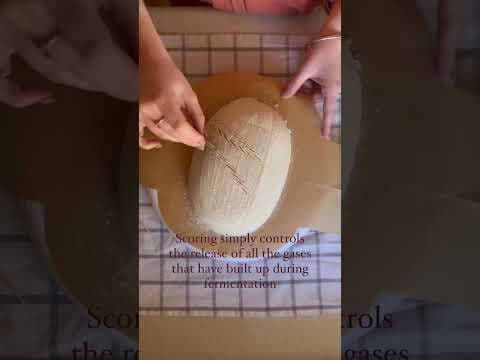
Scoring Sourdough: More Than Just a Pretty Face
