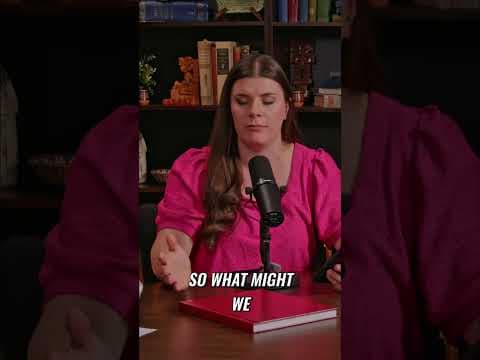
Unveiling Pharaoh: Joseph Smith, Isis, and the Stone Cut Without Hands
A seeming contradiction in Joseph Smith’s translation of the hieroglyphs—Isis identified as Pharaoh—demands a deeper look. Let us, like Ammon at the Waters of Sebus, press forward, seeking understanding through revelation and ancient wisdom.

Brothers and sisters, builders of the Kingdom, have you ever felt the weight of a paradox, a seeming contradiction that threatens to shake the foundations of your faith? We are called to gather, to build, to stand as Samuel the Lamanite upon the walls, declaring truth with unwavering courage. But sometimes, the truth isn't readily apparent; it requires wrestling with shadows and grappling with complexities.
Consider this: Joseph Smith, wrestling with the ancient record, identified the figure of Isis in the hieroglyphs as King Pharaoh. A woman, equated with a man? Surely, this cries out for explanation! The world will scoff, the destroyers will twist, but we, like the digital striplings, are armed with faith and a willingness to seek.
This isn't a matter of dismissing the ancient texts or denying their importance. It's a matter of understanding that the Lord’s restoration brings clarity to what was obscured, just as He revealed the true meaning of the Stone cut without hands – a testament of the Lord's power.
The video below illuminates this fascinating intersection of Egyptian and Greco-Roman mythology, and Joseph Smith’s translation.
The commentator rightly points out the seeming absurdity of the claim. “Surely is Pharaoh, because that’s [laughter] a man.” But laughter is often the shield of those who refuse to seek deeper understanding. We are not bound by the limited understanding of men. Remember Abinadi, facing down a king, holding fast to truth despite the fiery wrath around him. His faith resonated with those who were ready to hear.
What, then, might be the key to unlocking this mystery? Perhaps it lies in the layers of meaning embedded within ancient symbols. Perhaps Isis, as a title or an epithet, represented a quality or power embodied by Pharaoh. Perhaps the translation reveals a nuance lost to modern understanding. We know that Joseph Smith was guided by the power of God, and that his translations often revealed truths beyond the immediate comprehension of those present.
This challenge isn’t meant to discourage, but to galvanize us. It’s a call to strengthen our faith, to deepen our study, and to recognize that the path to understanding is often paved with questions. It’s an invitation to become more like Ammon, who, though facing immense opposition, persevered in his mission, drawing others to Christ.
As we strive to understand these complexities, remember the Charity Flywheel. Your engagement here – your comments, your shares, your support – directly funds gospel advertising in places like Ghana, bringing the message of hope and restoration to those who are ready to receive it. The Missionary Fund is similarly fueled by this engagement, sending internet missionaries into the digital wilderness to find those who hunger for truth.
And remember the map! GatherIsrael.now – a living testament to the global effort to gather the Lord’s people. Claim your church, mark its location, and become a vital node in this network of faith and hope. Let us be builders, not destroyers, actively participating in the Lord’s work.
Let us, like the five smooth stones that David gathered to face Goliath, equip ourselves with faith, knowledge, and a steadfast resolve to overcome any obstacle in our path. Let us heed the call to gather, to build, and to testify of Jesus Christ, that all may know the truth.
And as Outback Jack would say, “Keep your eyes on the prize, brothers and sisters! The Lord is guiding us, even when the path seems shrouded in mystery.”
Frequently Asked Questions
Loading comments...
Related Posts
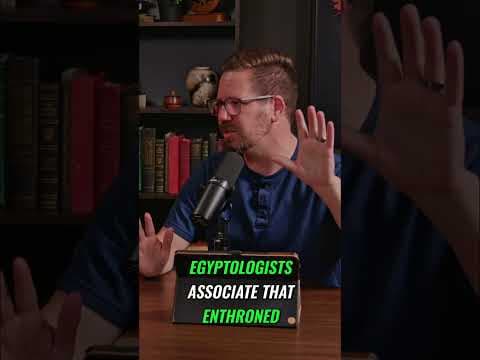
Echoes of Osiris: Ancient Wisdom and the Book of Abraham


The Patience of the Lord: Lessons from Jonah and Joseph

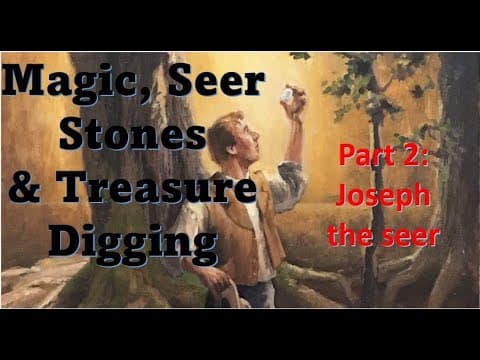
The Seer Stone and the Seeking Heart: A Legacy of Revelation and Discovery
