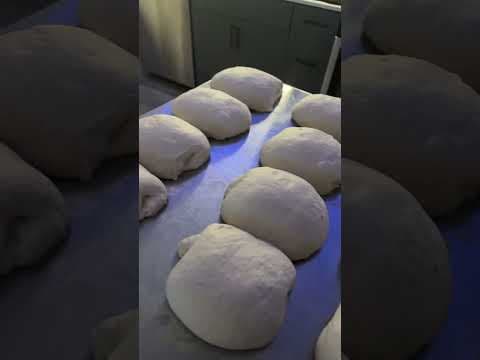
Whippin' Love into Your Sourdough: Lessons from Chef Seba's 'Supadouge' Loaf
Chef Seba's approach to sourdough is all about heart – and a seriously high hydration. Let’s unpack what we can learn from his ‘supadouge’ bread, focusing on hydration and how to handle a sticky dough without losing your mind.

G’day, Rogue Bakers! Ever seen a dough so wet it looks like it's defying gravity? Chef Seba has. And he’s makin' a beautiful loaf with it. He calls it ‘supadouge’ – a clear nod to the super high hydration levels at play. Now, I know some of you might be lookin’ at this and thinkin', “Crikey, that's a bit much for me!” But hear me out. We can all learn something from this, even if we don’t jump straight into a 90% hydration like Chef Seba’s recipe appears to be.
Chef Seba’s video
The Hydration Hustle: Why So Much Water?
Hydration refers to the ratio of water to flour in your dough. A typical sourdough recipe might be around 70-75% hydration. Chef Seba’s, judging by the look of it, is significantly higher. Why bother? Well, higher hydration generally leads to a more open crumb, a lighter loaf, and a crispier crust. The water helps to develop the gluten structure, but also creates more steam during baking, contributing to that lovely, airy texture.
Tamin' the Sticky Beast: Handling High Hydration Dough
The challenge, of course, is that high hydration dough is… sticky. Very sticky. It’s a baker’s wrestling match, that's for sure. Here’s what we can learn from Chef Seba’s relaxed approach:
- Gentle Handling: You don’t need to aggressively knead or manipulate the dough. A few folds, gentle turns, and letting the wild yeast do the work are key. Think of it as guiding the dough, not forcing it.
- Wet Hands & Tools: Keep your hands and tools (scraper, bench knife) wet to prevent the dough from sticking. It’s a simple trick, but it makes a world of difference.
- Bulk Fermentation is Your Friend: Let the dough rise in a warm place. This allows the yeast to work its magic and develop the gluten structure, making the dough more manageable. Keep an eye on it – you're looking for signs of activity, not a specific time.
- Shaping with Care: Shaping is tricky with high hydration. Don’t be afraid to use a bench knife to help you move the dough. A looser shaping will help retain the airy quality.
Levain Love & Scoring Strategy
Chef Seba doesn't explicitly discuss his levain, but a strong, active levain is absolutely critical for high hydration dough. A weak starter won’t be able to handle the workload. Make sure your starter is bubbly and doubling consistently before you even think about attempting something like this.
And finally, scoring. With a high hydration dough, scoring isn't just about aesthetics – it’s about controlling the direction of the loaf's expansion in the oven. A simple slash can do the trick, but experiment with different patterns to see what works best for you.
Now, I'm not sayin' you should go out and bake a ‘supadouge’ loaf tomorrow. Start with a slightly wetter dough than you’re used to, and gradually increase the hydration as you gain confidence. Remember, Bread Angels like Michele Lombardi are always around to offer guidance if you're feelin' overwhelmed. And if you want to really level up your sourdough game, consider connecting with a Guild Master through the Rogue Bakers Guild.
Frequently Asked Questions
Loading comments...
Related Posts
Feel Your Dough: Why Gentle Handling Matters in Sourdough

Scoring Sourdough: More Than Just a Pretty Face

Scoring Sourdough: More Than Just a Pretty Face (It's About the Bread!)