Winter Greens: The Miracle That Pays
Jill Beebout from Blue Gate Farm shares practical tips for growing flavorful winter greens in high tunnels – proving that a little extra effort yields a harvest worth savoring and a resilience our fragile food system desperately needs.

There’s a certain satisfaction in knowing you’re providing for your family and community, especially when that provision comes from your own labor and the bounty of the land. It’s the Joseph-in-Egypt principle at work – preparing for the lean times while appreciating the abundance of the present. And right now, with the fragility of the just-in-time food system laid bare, that preparation is more vital than ever.
We're not talking about a revolution against Big Ag, Big Chemical – just a confident assertion that there’s a better way. A way that prioritizes flavor, resilience, and community.
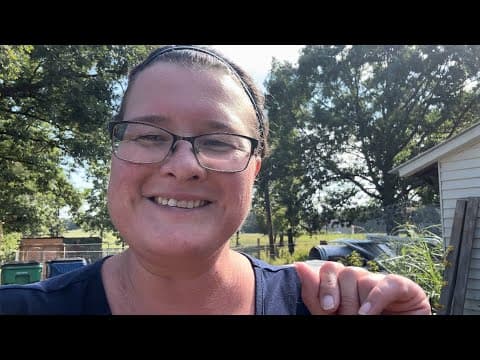
Jill Beebout and Sean Skeehan at Blue Gate Farm in Iowa are living proof. They’re quietly demonstrating that even in a Midwestern winter, you can coax out incredible flavor and storeable greens using high tunnels. As Jill puts it, cold-weather greens are an “amazing miracle of nature,” and she's right. That sweetness you can’t get from a grocery store green? That’s the result of starches converting to sugars, a natural process amplified by the colder temperatures.
Jill walks through their setup: a 30x96 Gothic-style high tunnel from Nols, utilizing passive solar heat and low row covers to manage temperature. They’re not relying on expensive heating systems, understanding that some winter loss is part of the equation. This pragmatic approach is key for any Rogue Farmer looking to build a sustainable operation.
The varieties they’ve chosen – head lettuce, kale, chard, Asian greens, pok choi, and especially misome (a spinach substitute – a great tip for those of us always looking for alternatives!) – are all suited to winter production and offer that exceptional flavor.
A few key takeaways from Jill’s approach:
- High Tunnel Management is Intensive: Don’t treat high tunnels as a magic bullet. They amplify both the good and the bad.
- Prioritize High-Value Crops: These structures are an investment; fill them with crops that command a premium and have consistent customer demand.
- Water Wisely: Reduce watering significantly in the winter, only providing moisture during warm cycles or harvest days.
If you're serious about building a resilient food system, consider the potential of high tunnels. They’re a powerful tool for extending the growing season and providing your community with nutritious, flavorful food. And for those interested in even more controlled environment agriculture, remember that Kimball's expertise shines in the realm of aquaponics - imagine the possibilities of a basement aquaponic system providing fresh greens year-round! That's a real beachhead for a Food Angel looking to build local food sovereignty.
This isn't just about growing food; it's about building a system – a Distributed Farmers Market + CrownRunner delivery loop – connecting farmers directly to consumers and bypassing the traditional supply chain. It’s about reclaiming our food sovereignty and building a more secure future.
What are you waiting for?
Ready to get started?
- Build an aquaponic system: Start small, learn the basics, and expand your knowledge.
- List your produce in the Distributed Farmers Market: Connect directly with consumers in your region.
- Claim a creator profile: Share your knowledge and experience with the Rogue Farms community.
- Find a local farmer near you: Learn from those already building a resilient food system.
Frequently Asked Questions
Loading comments...
Related Posts
Finding the Rhythm: A Farmer's Perspective on the Daily Grind


Boosting Your Soil: Lessons from a Vegas Heatwave


Finding Your Foundation: Why Owning Your Own Land is the Ultimate Act of Food Sovereignty
