Worm Power: How Lion Fruit Farms is Revolutionizing Soil Health
Forget synthetic fertilizers – Lion Fruit Farms in Florida is proving the power of vermicompost and compost tea to boost yields, fight pests, and improve nutrition, all backed by solid science. It's a path to food sovereignty we can all take.

We’ve all been told to trust the experts, to follow the instructions, to play by the rules of Big Ag. But what if there’s a better way? A way to feed ourselves, our families, and our communities, without relying on a fragile, chemical-dependent system? As farmers, we know that intuition and observation are just as valuable as textbooks, and sometimes, the best solutions come from mimicking nature's own processes. That’s what’s happening at Lion Fruit Farms, and it’s a lesson worth paying attention to.
They're turning food waste into a powerhouse soil amendment – worm castings – and the results are undeniable. This isn’t some airy-fairy “good vibes” approach; it’s grounded in solid science and peer-reviewed studies. Think of it like this: we’re modern-day Josephs, tasked with providing for our people. First, our families. Then, our communities. And it all starts with the soil.
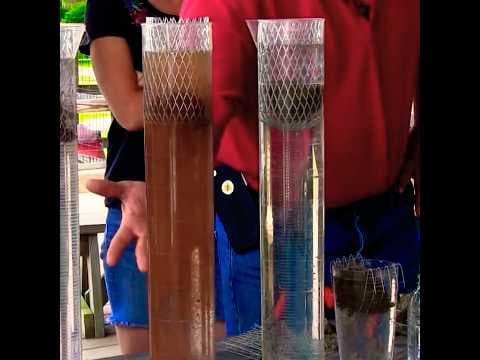
What exactly *are* worm castings? Simply put, they’re the digested waste of earthworms. But these aren't just any worms; they’re fed a carefully curated diet of composted food waste, including spent mushroom blocks, which boosts their output and the quality of the castings. The process is fascinating – from climate-controlled bins to innovative harvesting methods – all designed to maximize worm health and the nutrient density of the final product.
The science backing this up is compelling. Studies conducted in collaboration with Florida International University (FIU) show increased biomass, improved nutrient density, better flavor, pest resistance, and higher yields in tomatoes, corn, and turmeric – all without a single chemical fertilizer or pesticide. As doctoral candidate Daphne Sugino explains, vermicompost tea even activates plant immune systems and boosts secondary metabolite production. It’s a holistic approach, working *with* nature, not against it.
For those of us running smaller operations, this might seem daunting, but it doesn’t have to be. Even a small-scale vermicomposting setup can make a significant difference in your garden or market garden. Think about it – you’re turning your food scraps into liquid gold!
And let's not forget the potential for scaling. This kind of regenerative farming lends itself perfectly to the Distributed Farmers Market + CrownRunner delivery loop, creating direct-to-consumer channels that bypass the traditional supply chain. It's about building local food systems, fostering food sovereignty, and empowering farmers.
This isn't about knocking Big Ag; it's about offering a viable, and frankly, *better* alternative. It's about recognizing that there's a whole world of knowledge and experience waiting to be tapped, from indigenous practices to the innovative work being done at farms like Lion Fruit. It’s about understanding that healthy soil equals healthy food, healthy people, and a healthy planet.
If you're a Rogue Farmer looking for ways to improve your soil, boost your yields, and build a more resilient farm, worm castings and compost tea are a powerful tool to add to your arsenal. The principles apply whether you're running a sprawling operation or a small homestead – it’s about working *with* the land, not against it.
Consider this your invitation to join the movement. It’s time to reclaim our food systems and build a future where everyone has access to healthy, sustainably produced food.
Ready to get started?
- Build a small-scale aquaponic system – a great entry point for learning about soil health and nutrient cycling.
- List your produce on the Distributed Farmers Market to reach a wider audience.
- Create a creator profile on Sovereign.ink and connect with other farmers.
- Find a local farmer near you and learn from their experience.
Frequently Asked Questions
Loading comments...
Related Posts
Soil's Not Broken, Tillage Is: Lessons from Ray Archuleta

The Dirt on Dirt: Why No-Till Ain't Just a Buzzword
Soil’s Got a Memory: No-Till & the Biology That Builds It