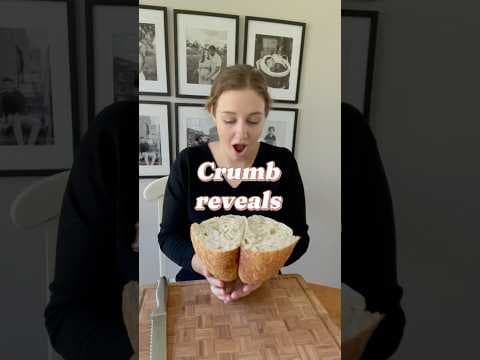
The Secret Life of Your Loaf: Why Scoring is Everything
Stop treating scoring like just decoration. Understanding the science behind making those perfect, dramatic slashes will elevate your sourdough game.

There's nothing quite like pulling a fresh loaf out of the oven. That deep, crackling sound, the incredible aroma, and that magnificent, tear-drop shape. You’ve done the hard yards with the feeding, the long, slow fermentation, and the perfect proofing. You've earned that masterpiece.
But if you’ve been watching the best Bakers—the ones with those truly dramatic, ear-split loaves—you might notice something happening right before the bread even hits the heat. They're doing something specific to the surface. It looks simple, almost effortless, but that quick, decisive slash isn't just for show, mate. It's the single most important technique that separates a good loaf from a truly stunning, professional-grade artisan bread.
The Science of the Slash: Why We Score
If you've been taught to score because 'that's what you do,' you're missing the whole story. Scoring isn't decoration; it's structural engineering. When your loaf is fully proofed and ready to go, the gases trapped inside—the glorious, wild yeast doing its work—are building immense pressure. They want to expand. They want to pop out.
Think of your loaf like a balloon being inflated in a sealed box. If you don't give it a weak spot, the pressure builds until something fails, sometimes unevenly, leading to cracks that look messy and uncontrolled. When you score, you are giving the yeast's trapped gas a polite, pre-approved exit route. You are telling the loaf, 'Right, mate, you can expand here.' This controlled release ensures that the expansion is even, dramatic, and beautiful.
It's the difference between a beautiful, controlled *oven spring* and a messy explosion. This is the magic we’re talking about.
Getting the Technique Right
So, how do you go from 'oh, I should probably score it' to 'I am a scoring master'? It's about precision and timing.
- The Tool: Don't use a dull knife. A razor blade, a lame, or a sharp, very clean bread knife is best. You want a clean, decisive cut.
- The Timing: Score immediately before placing the loaf into the hot oven. The moment you score, the trapped gas begins to realize its new path.
- The Depth and Pattern: The depth should be about 1/4 to 1/2 inch—deep enough to cut through the outer skin but not so deep that you sever the structural integrity of the crumb underneath. Patterns can vary wildly—a single deep slash, a pattern of gentle slashes, or a criss-cross grid. Experimentation is key here.
Understanding this principle is a massive leap forward in your journey. It shows you're not just following a recipe; you're understanding the physics of the dough.
It might look simple in the video, but notice the baker's focus. It's not a casual flick; it's a purposeful, controlled movement. That controlled energy transfers directly into the dramatic, perfect crackle of the crust.
A Final Word on Practice
Mastering scoring, like mastering any aspect of sourdough, requires patience. Don't get discouraged if your first attempts look like a mess. Remember that every great Bread Angel started exactly where you are now—curious and slightly overwhelmed by the science. The key is to observe and repeat.
If you want to deepen your knowledge and move past simply following instructions, I highly recommend finding a Guild Master in your local area. They can give you that hands-on feedback that turns theory into flawless practice.
Ready to elevate your game and understand the science behind every single magnificent loaf? Take the next step and enroll in the 30-Day Sourdough Challenge today. We'll guide you through the principles of proper scoring and much more!
Frequently Asked Questions
Loading comments...
Related Posts
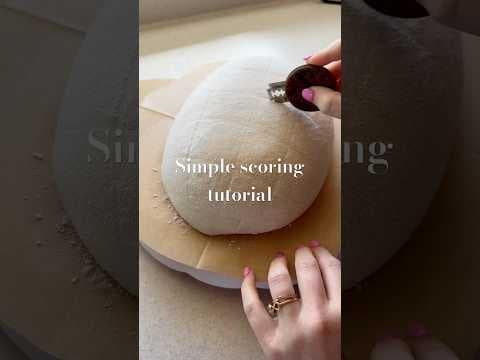
Scoring Sourdough: More Than Just a Pretty Pattern

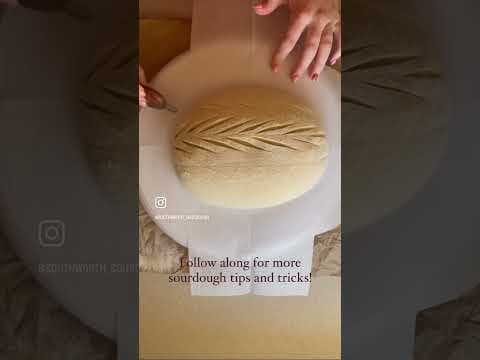
Scoring Sourdough: More Than Just a Pretty Pattern

More Than Just Butter: Lessons in Craft from a Butter Press
